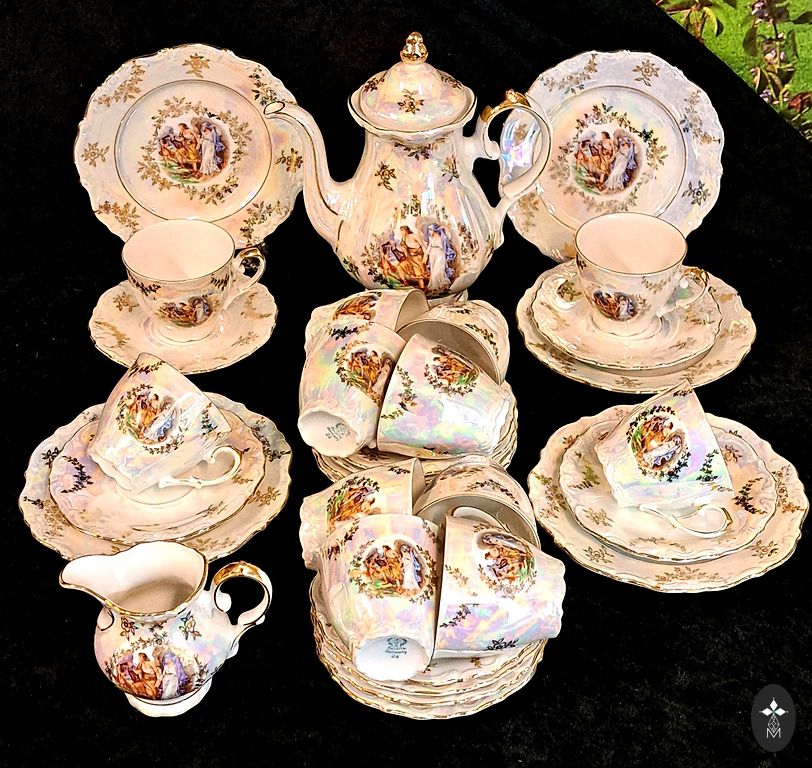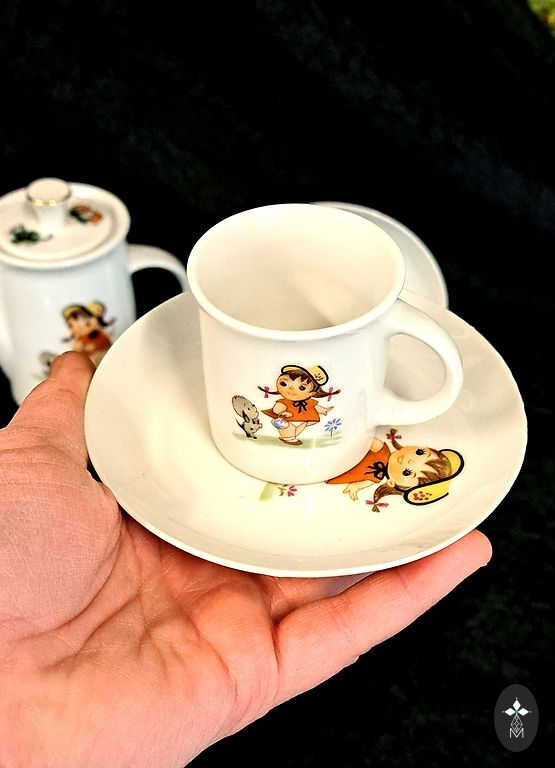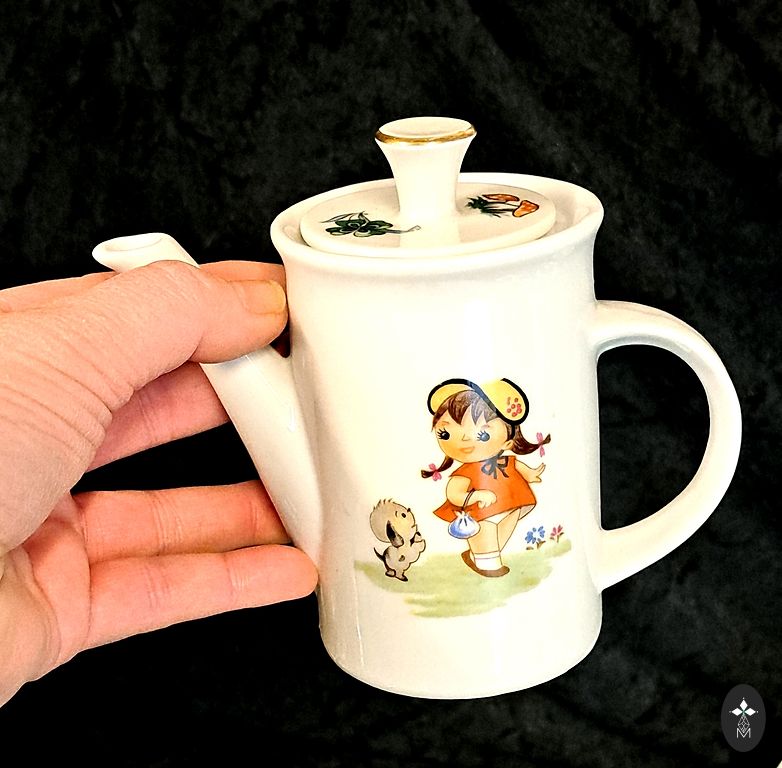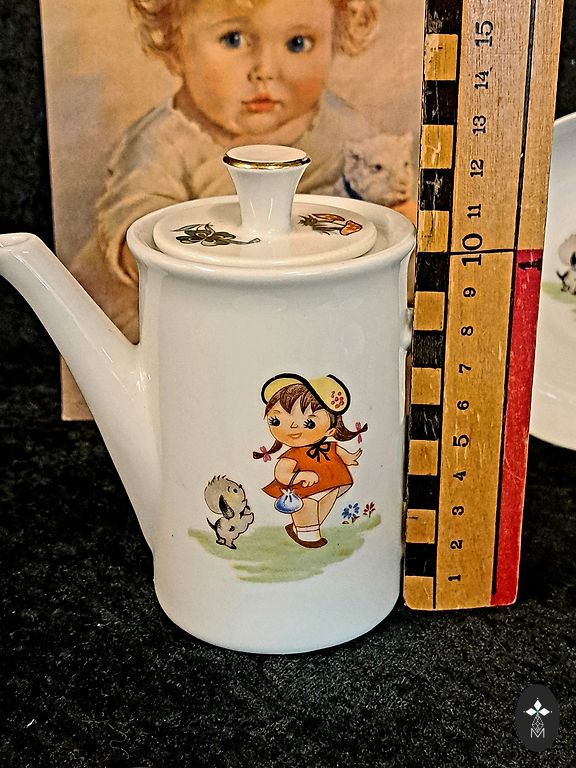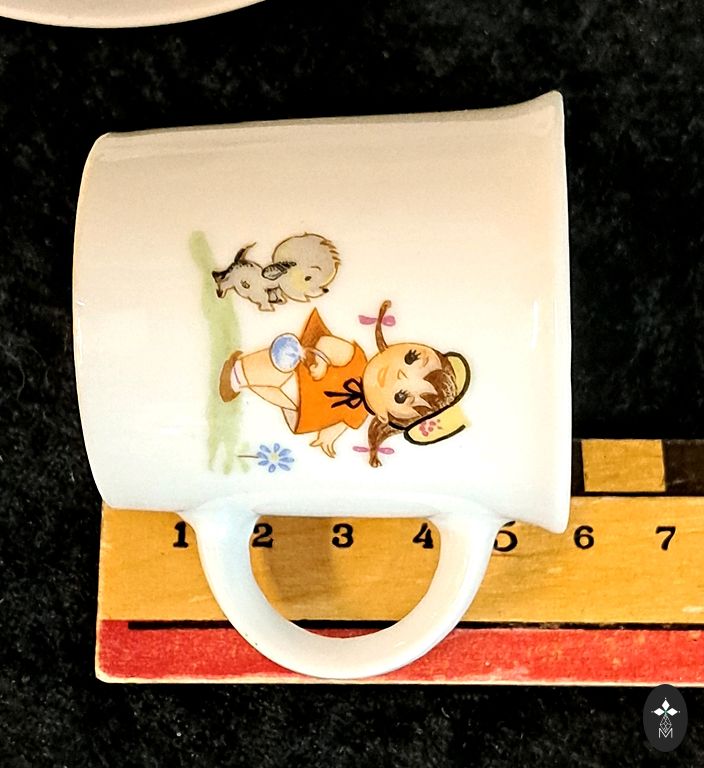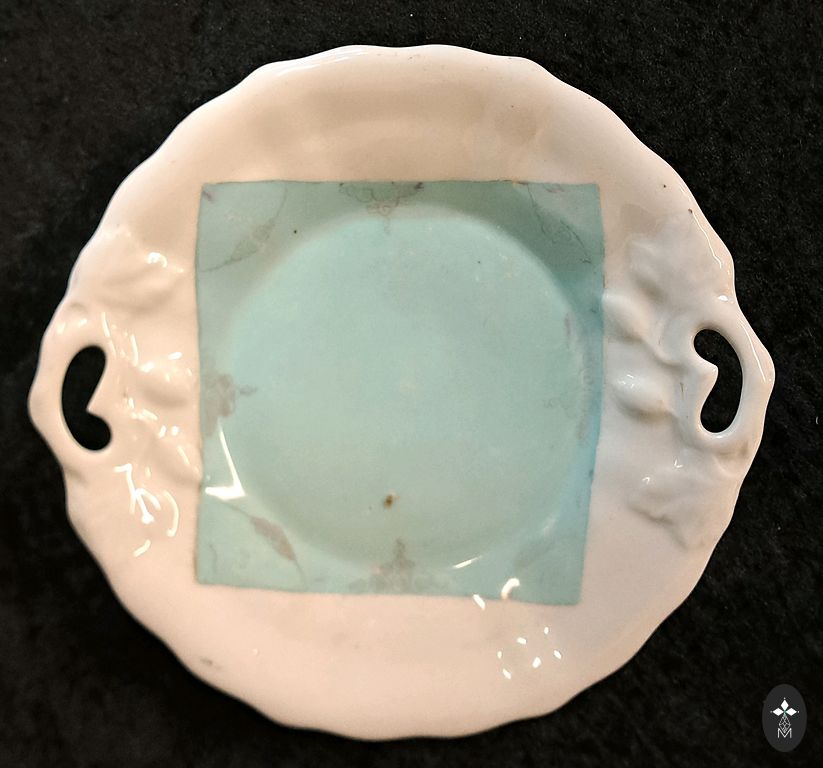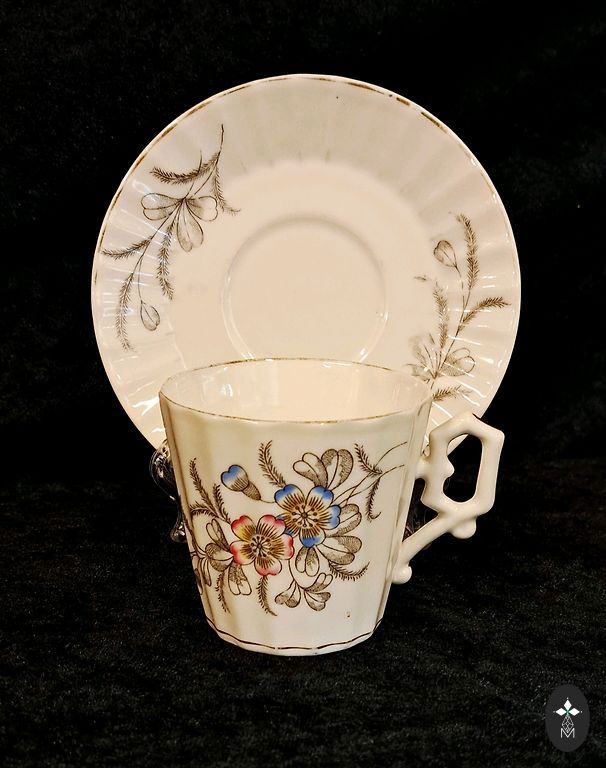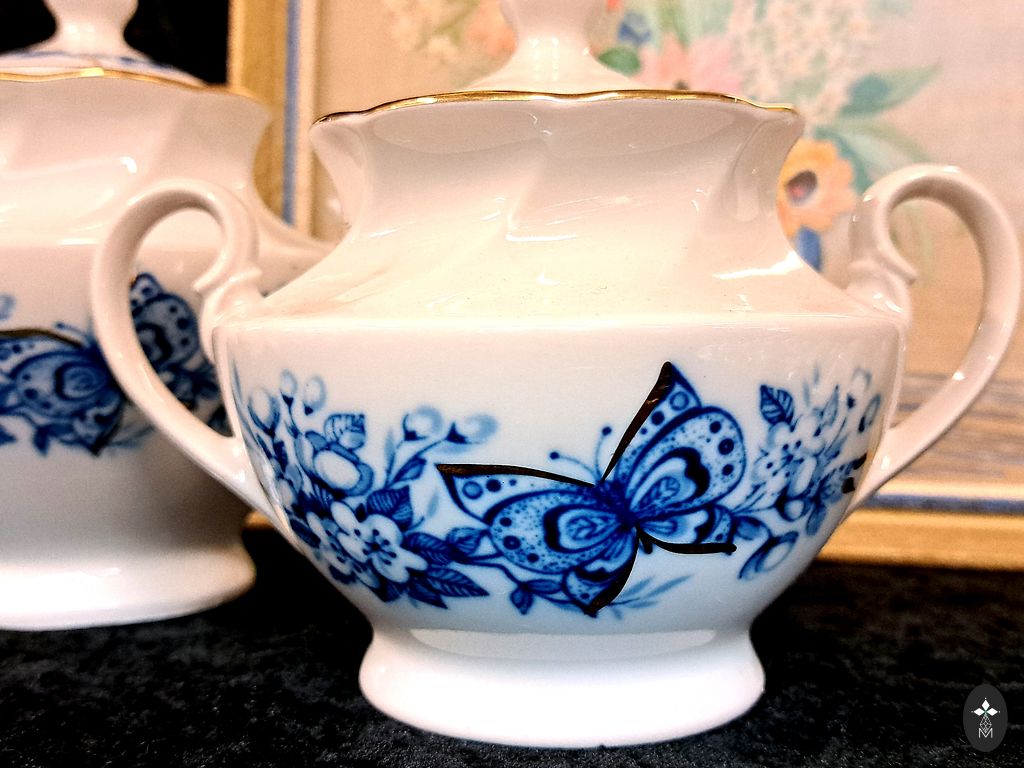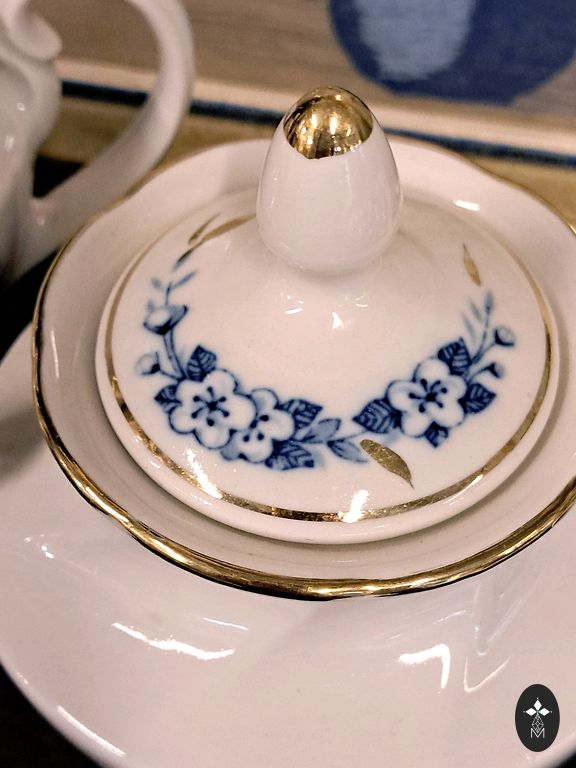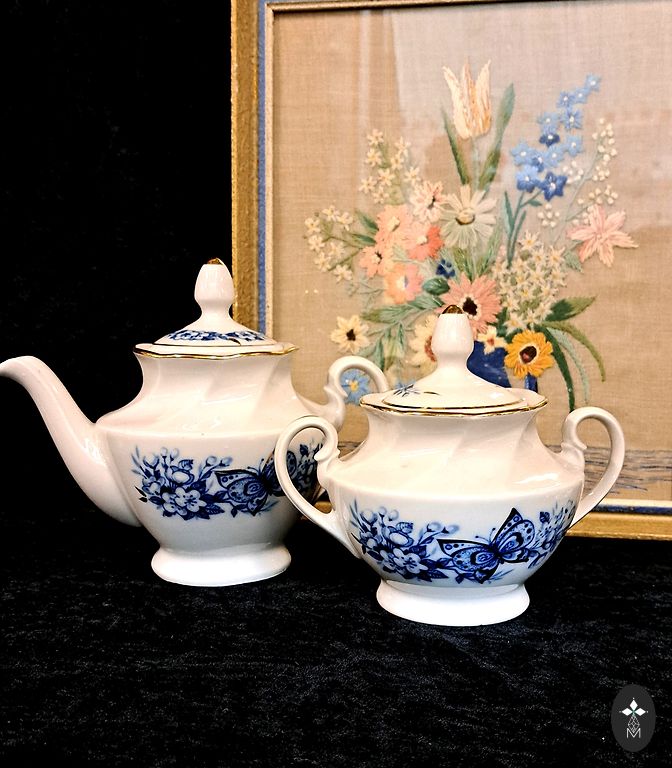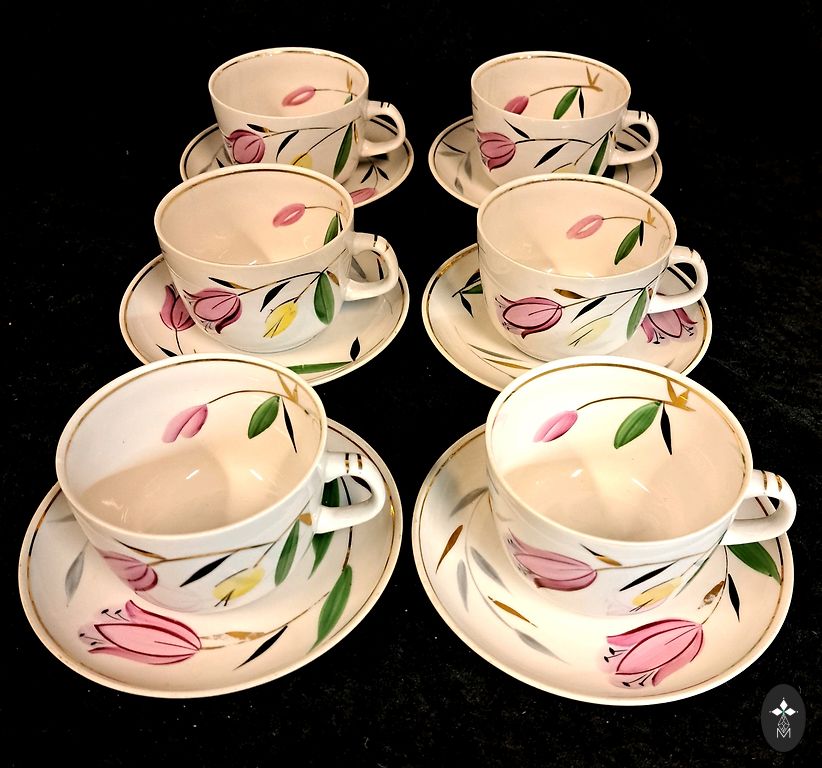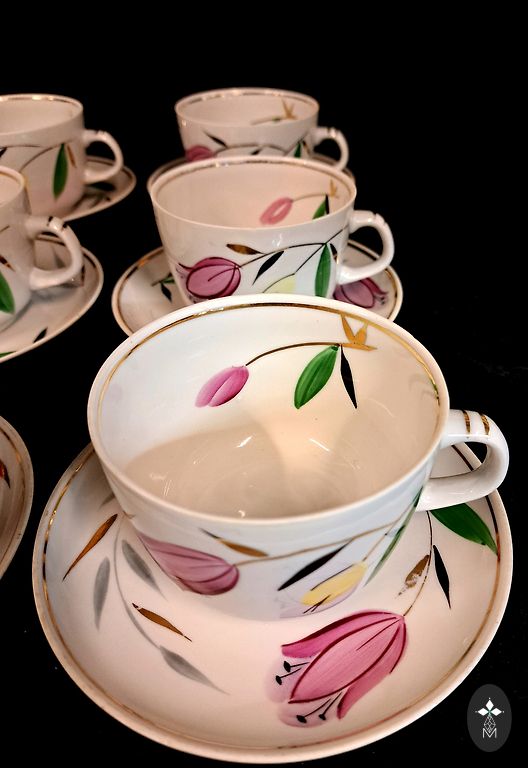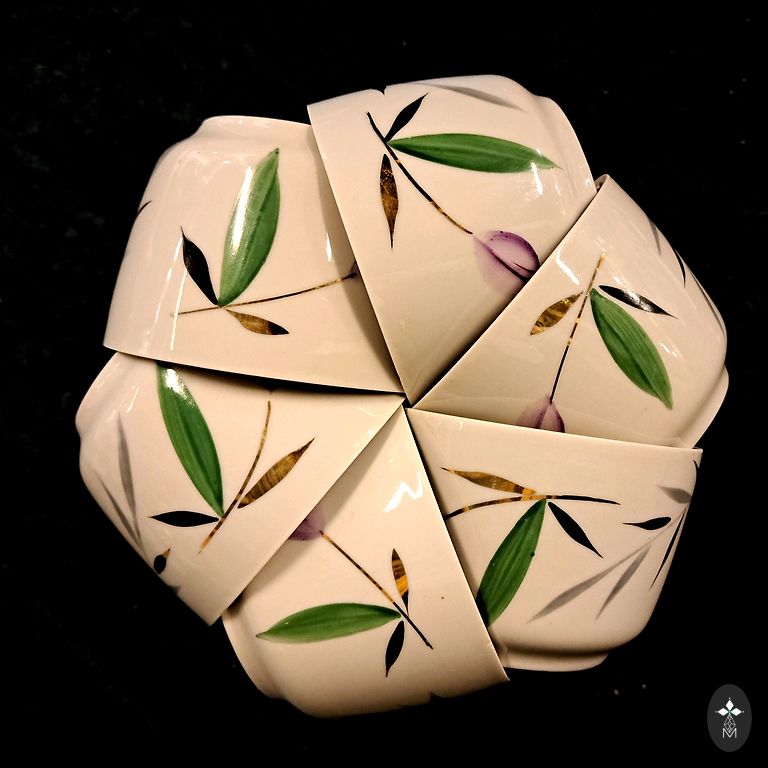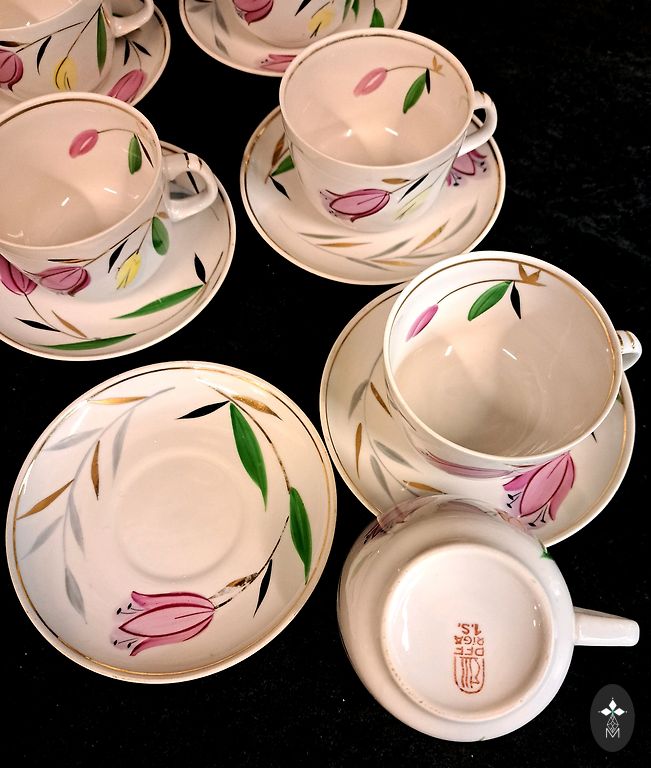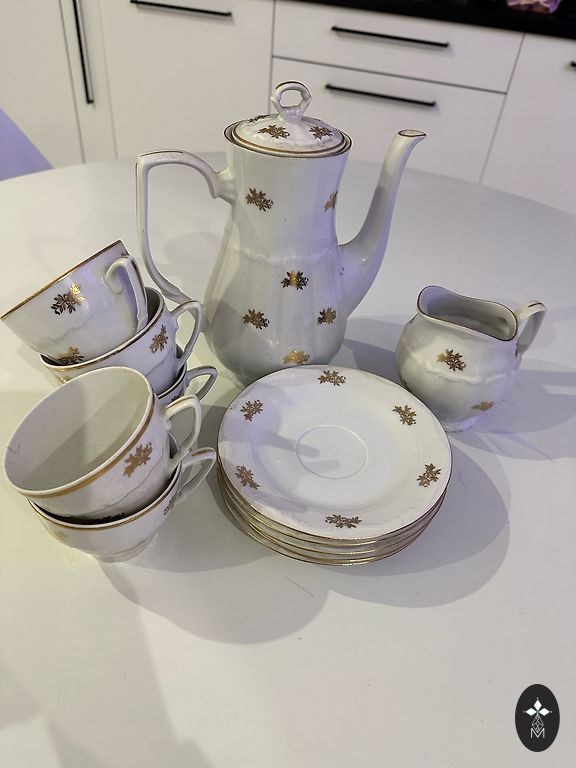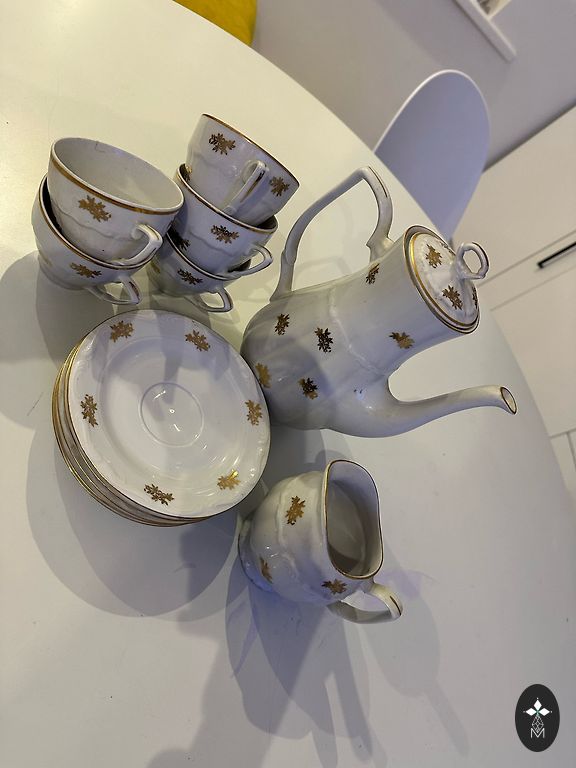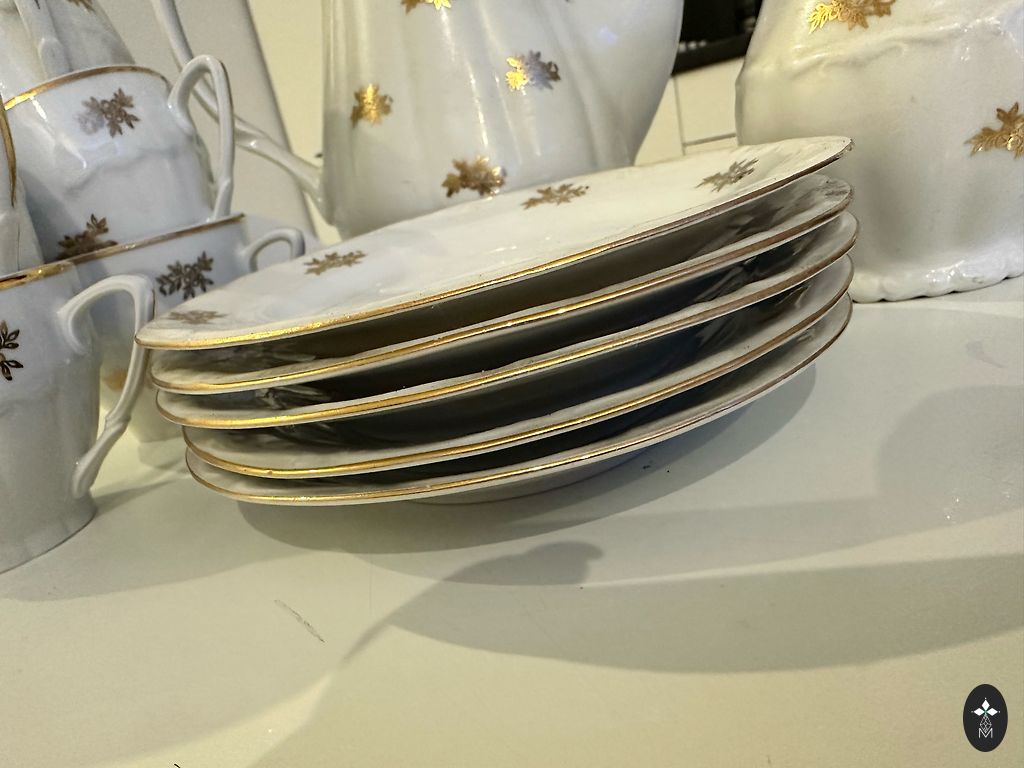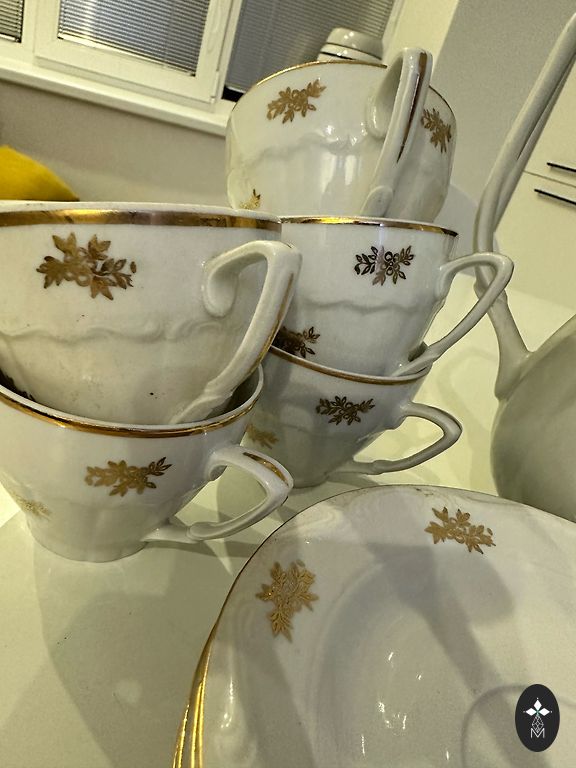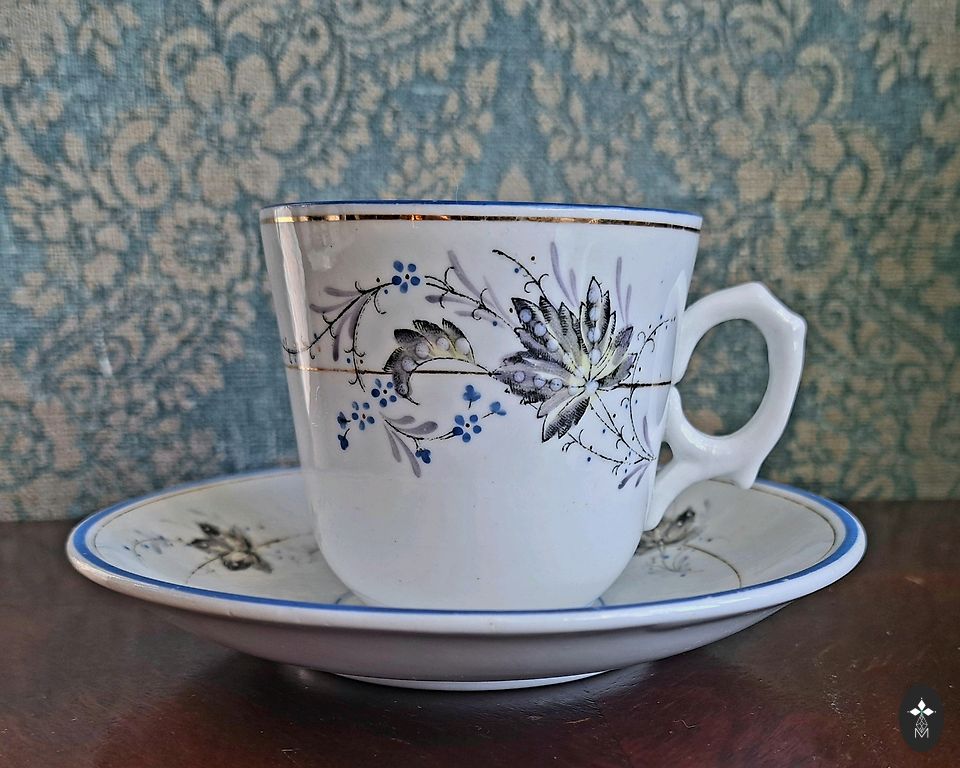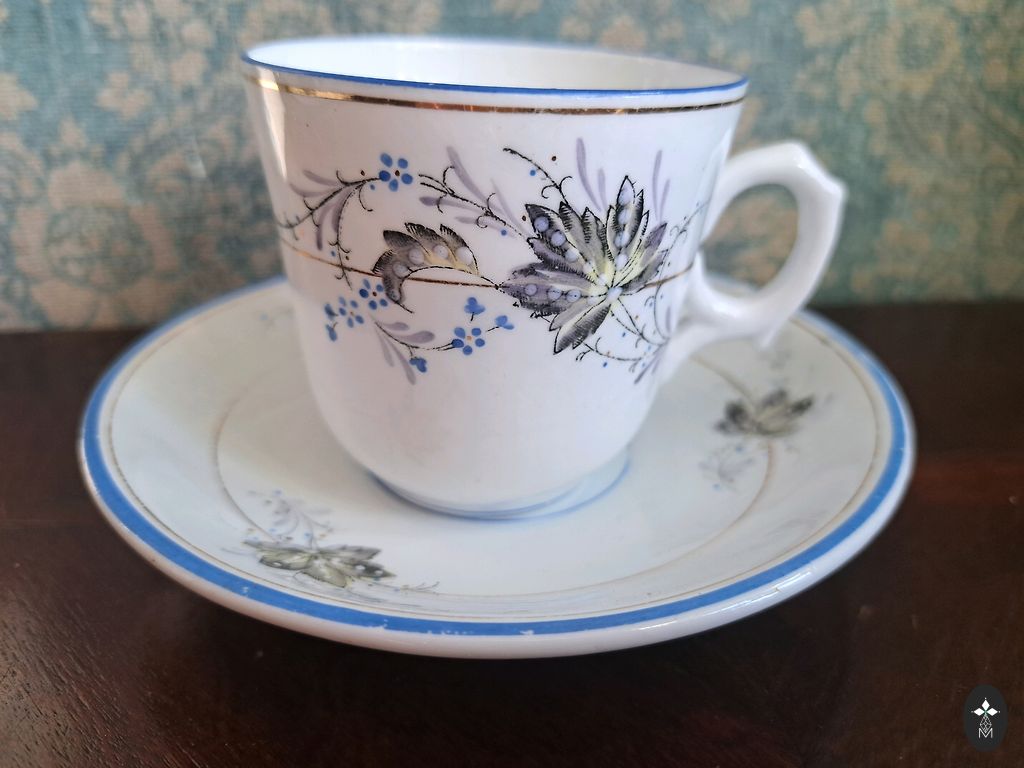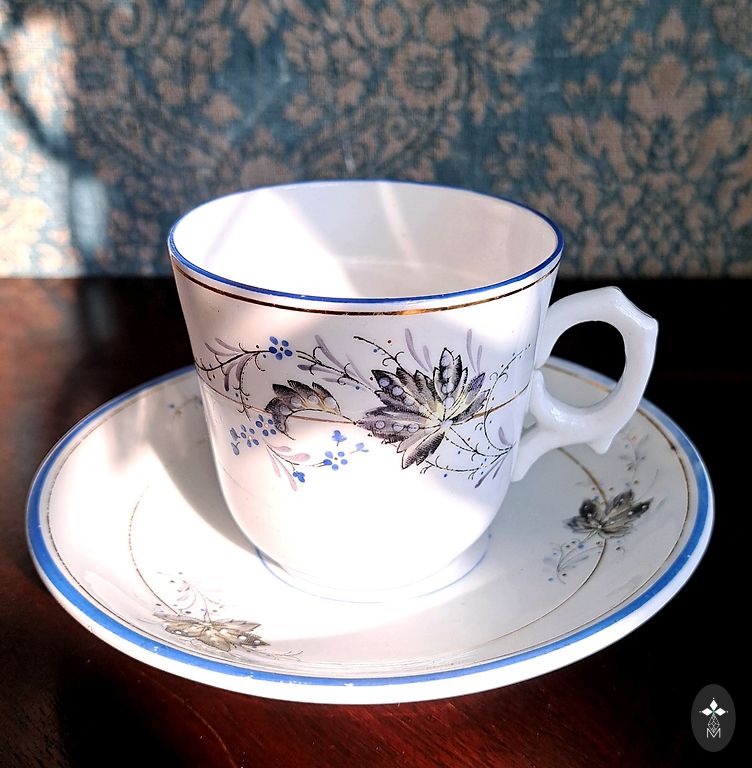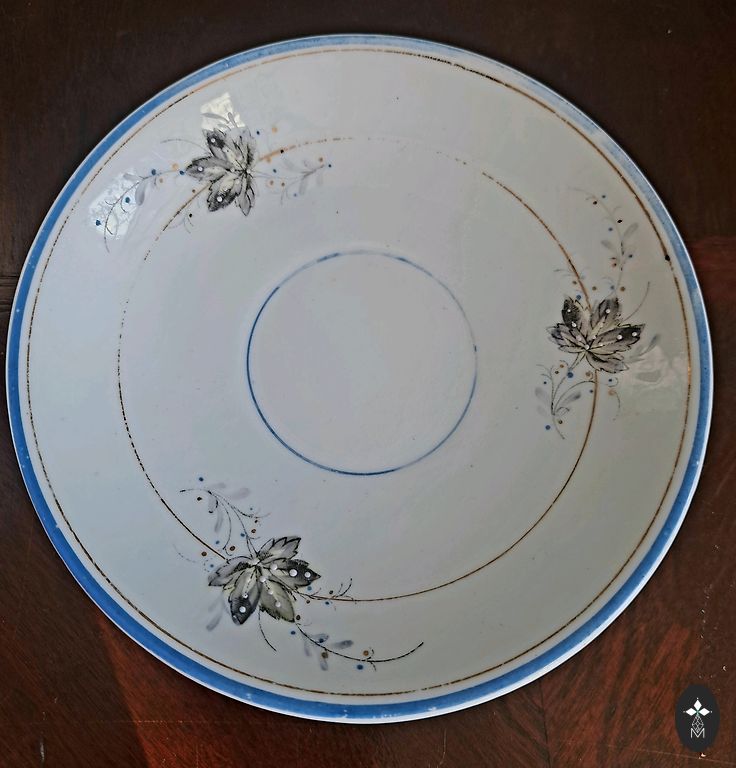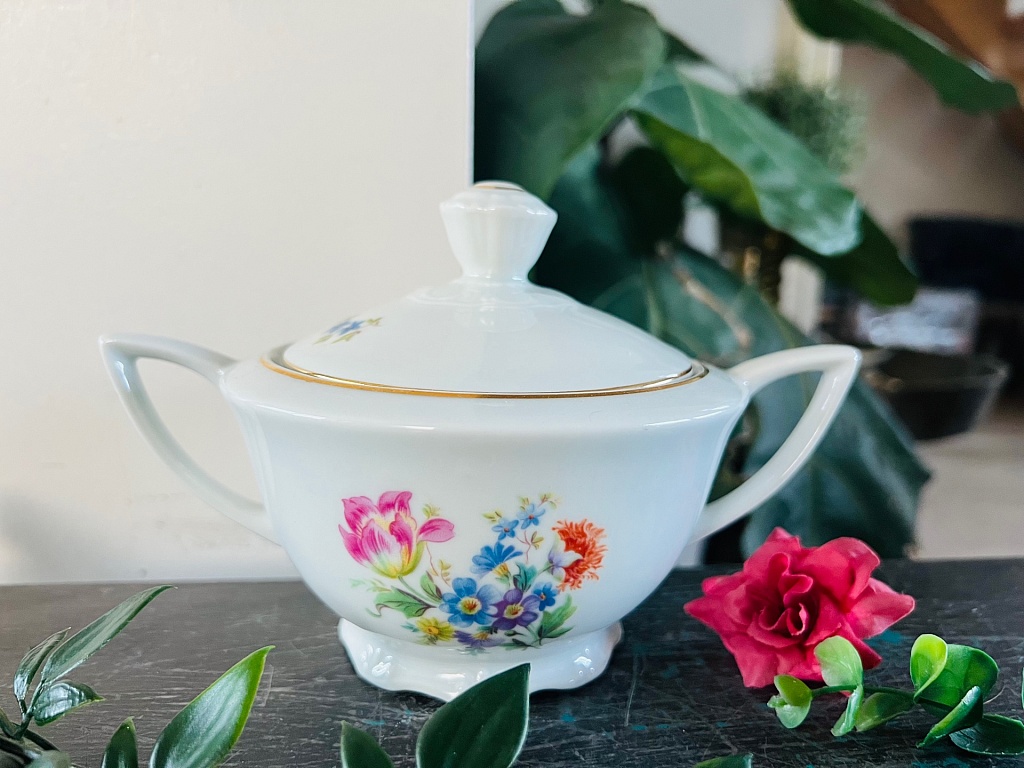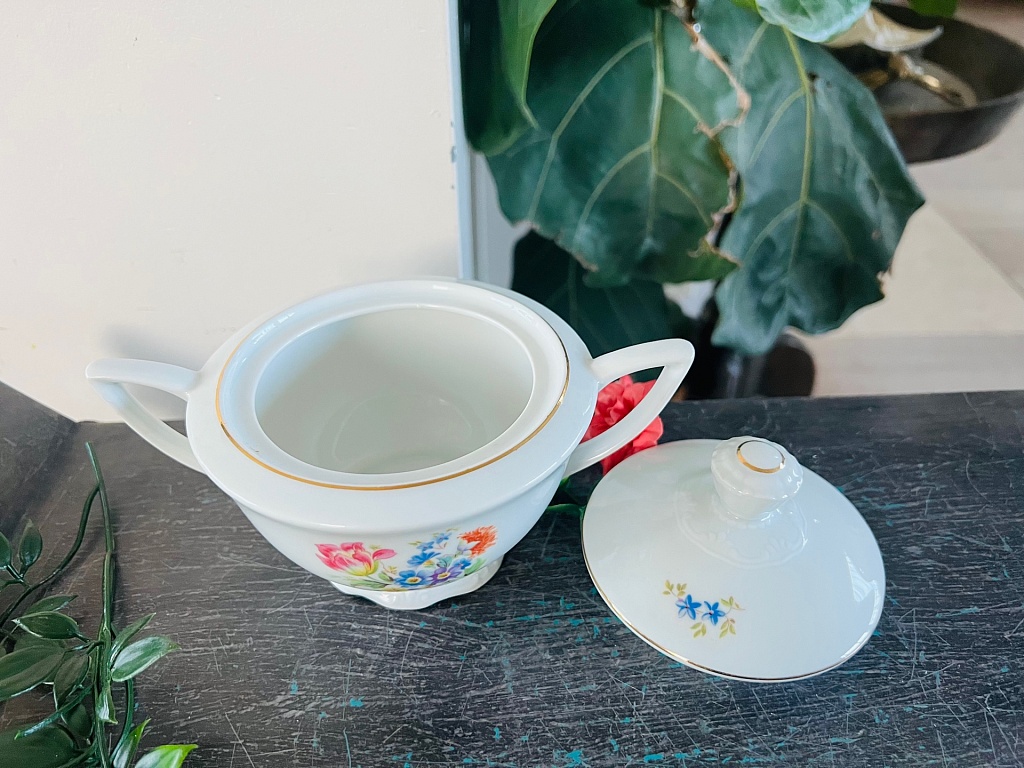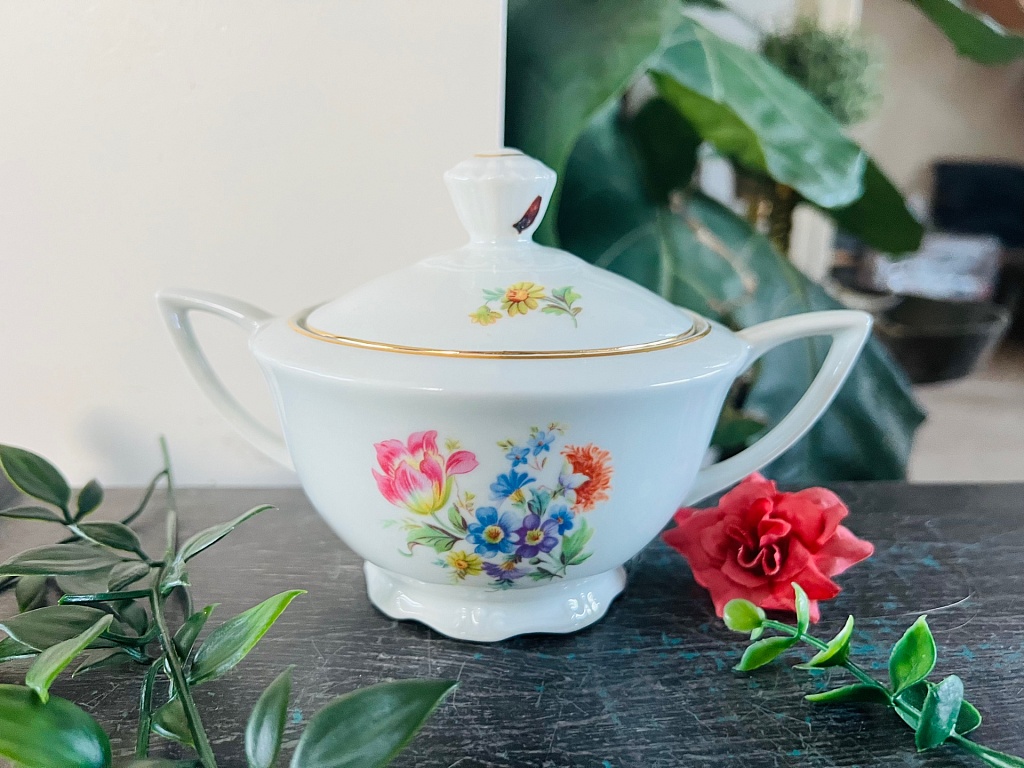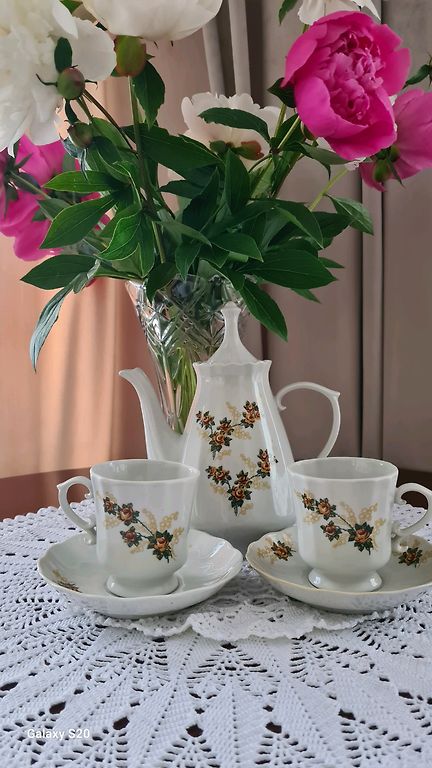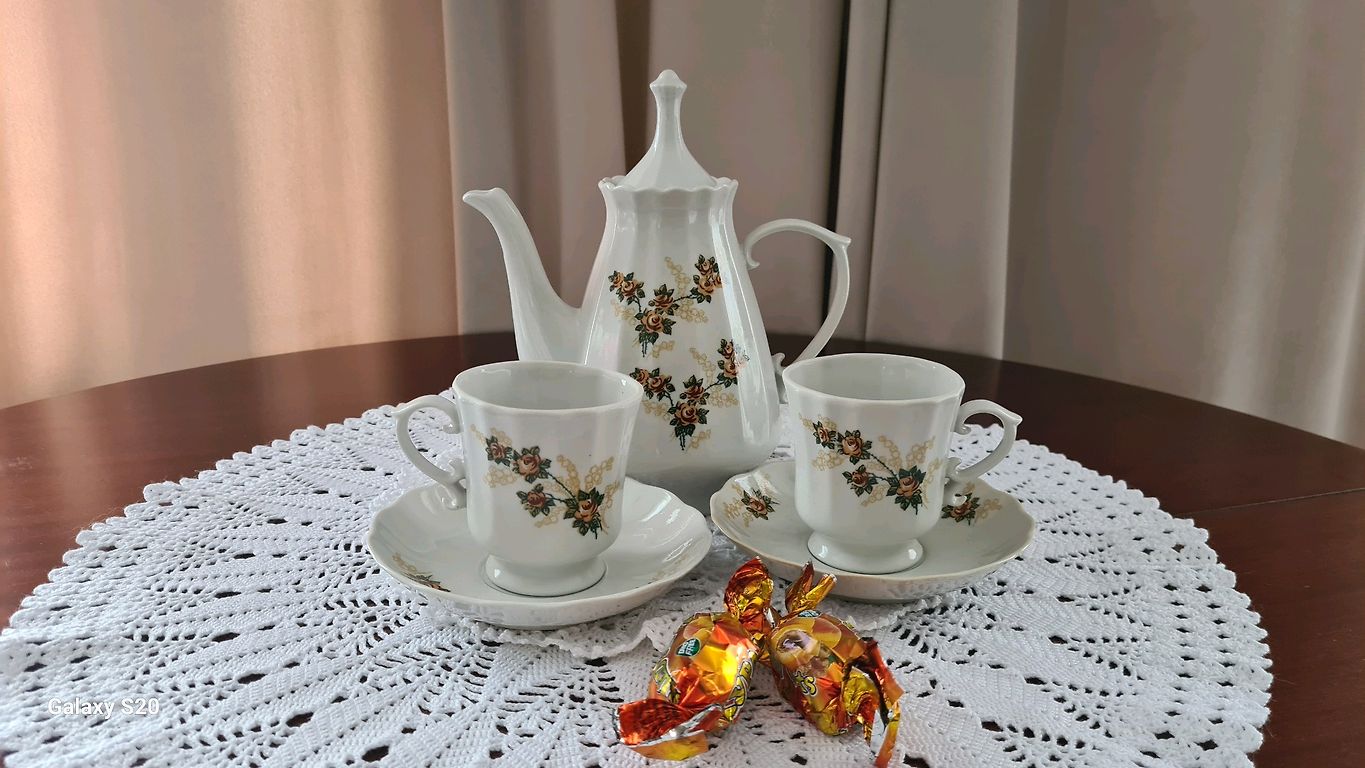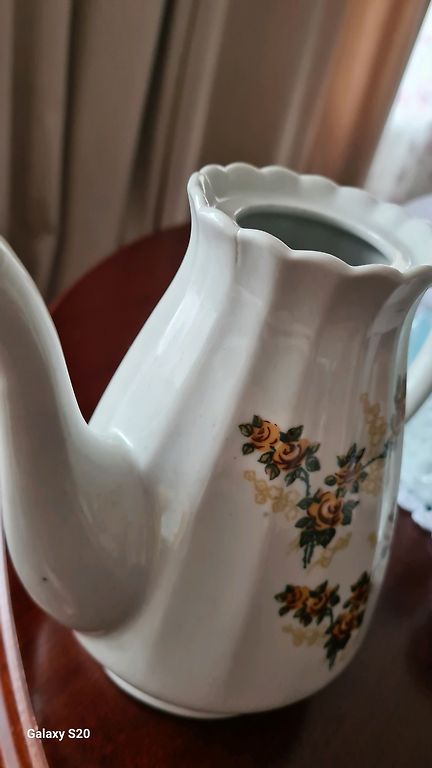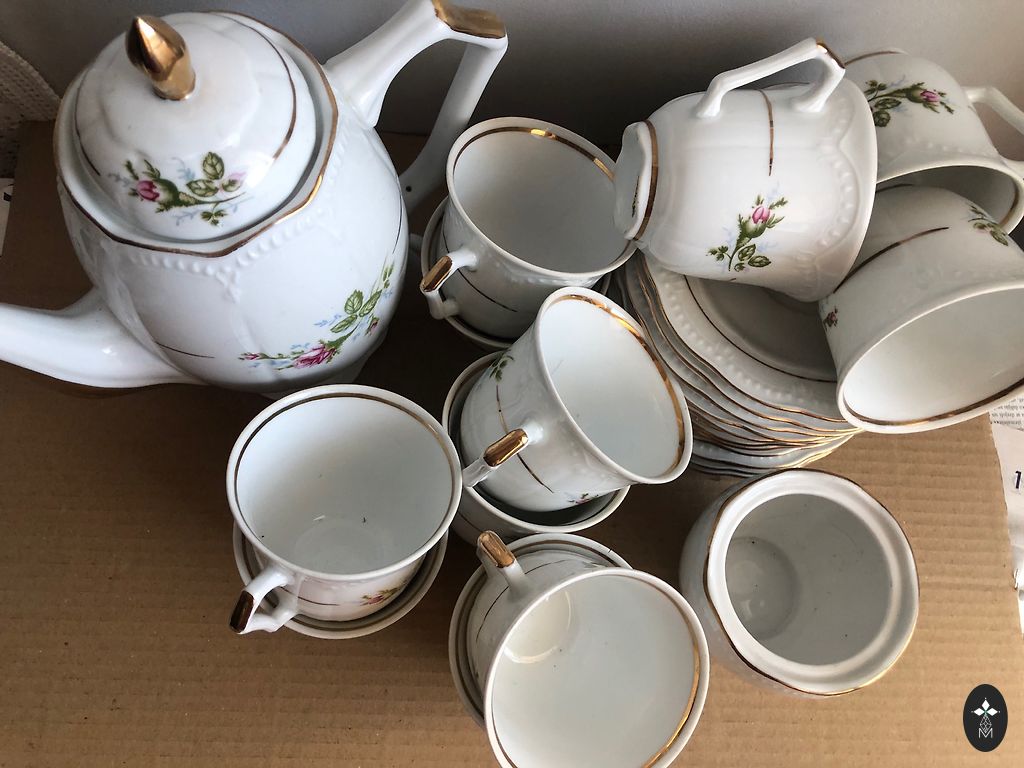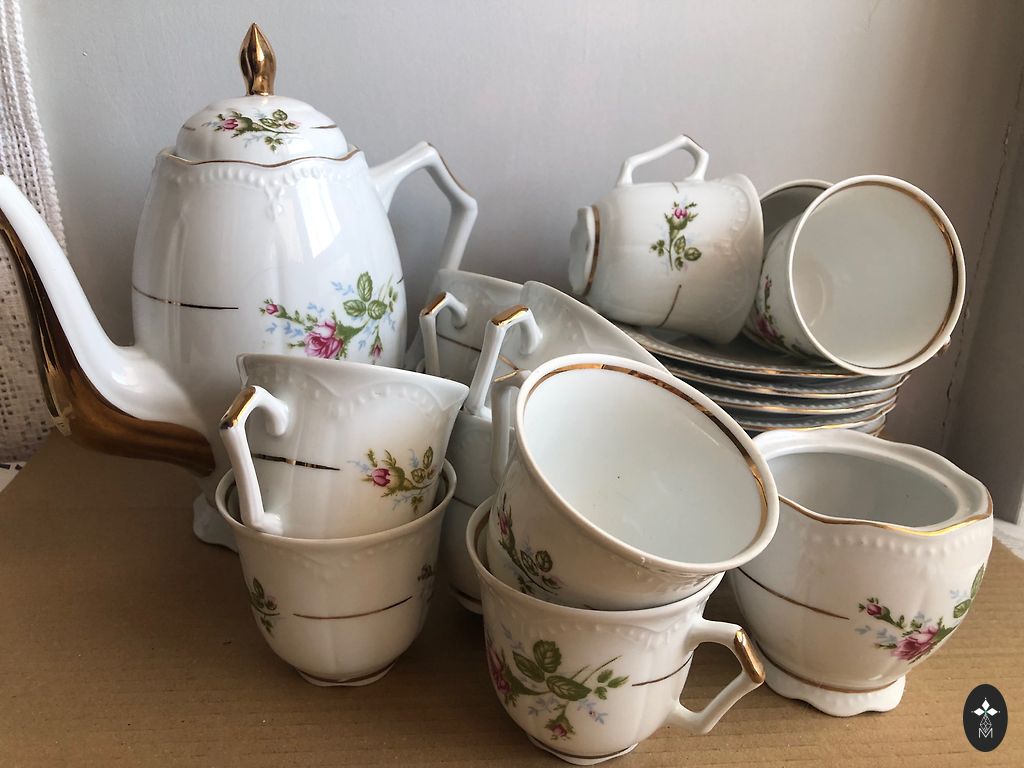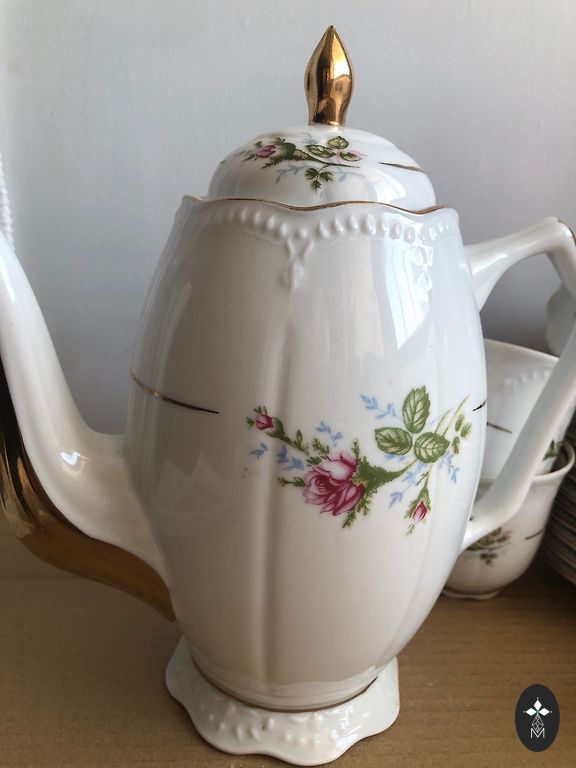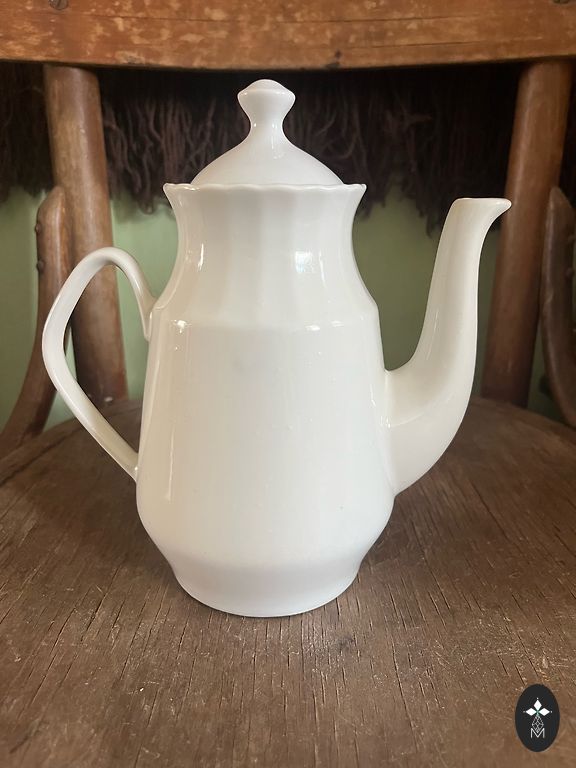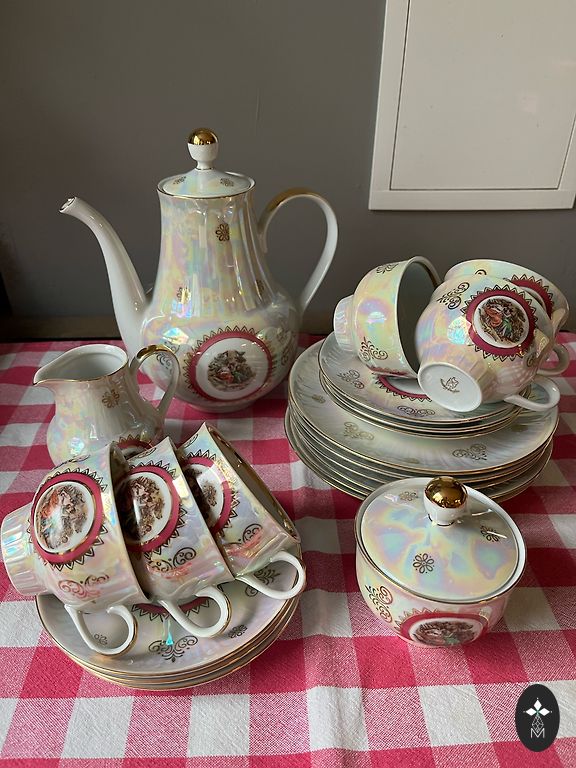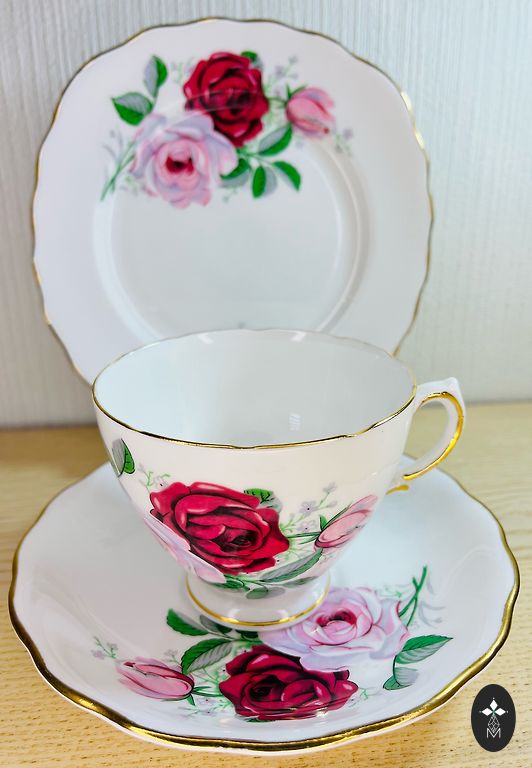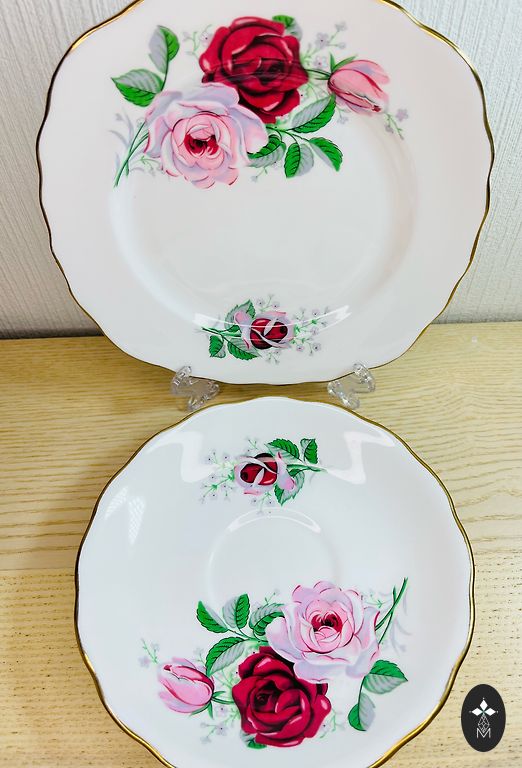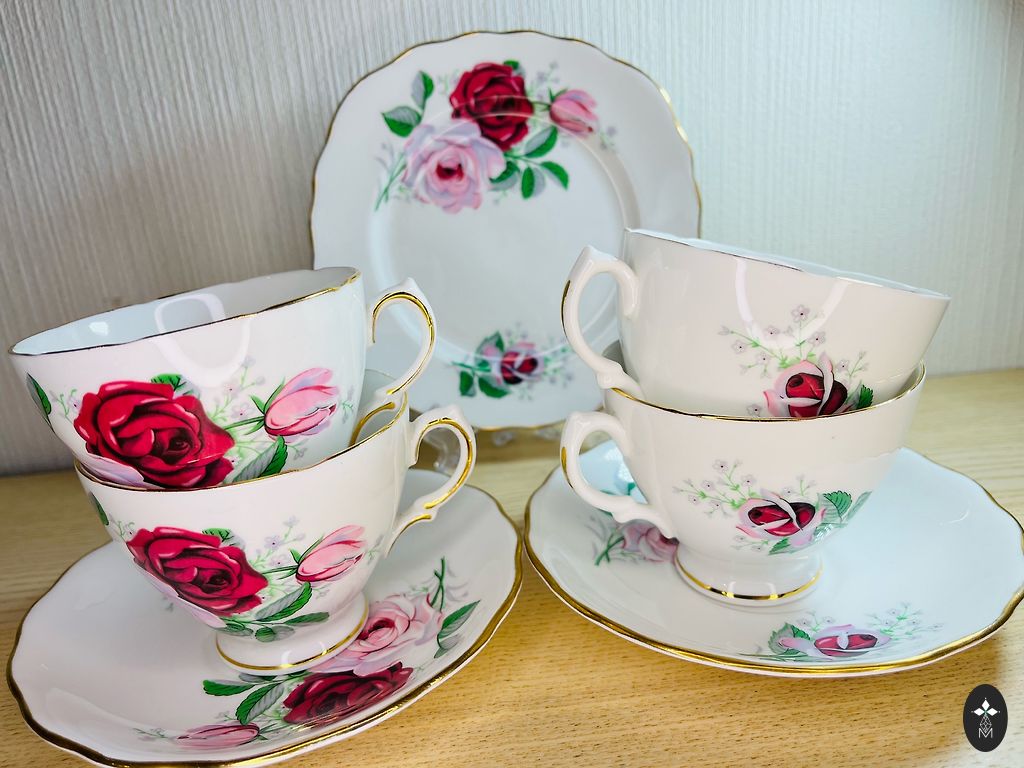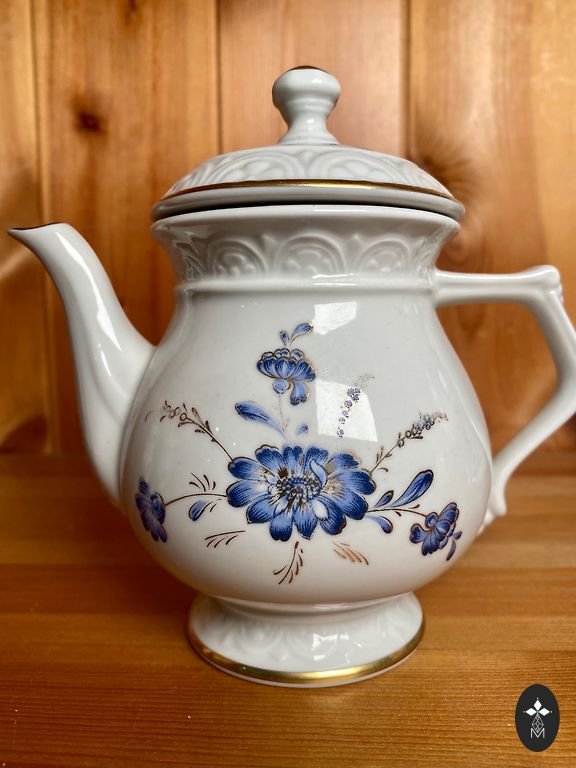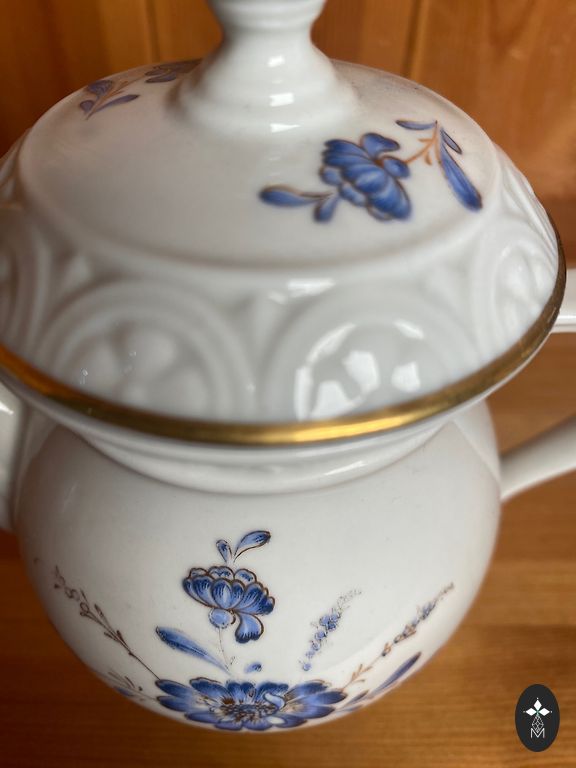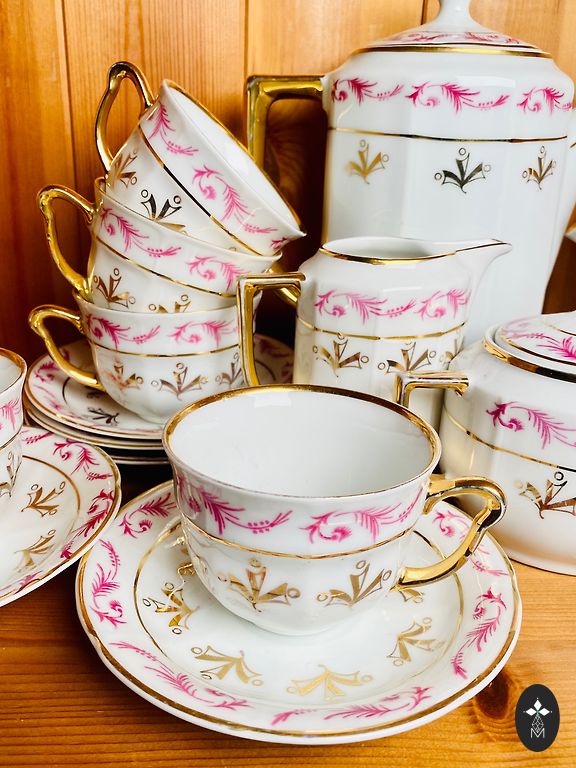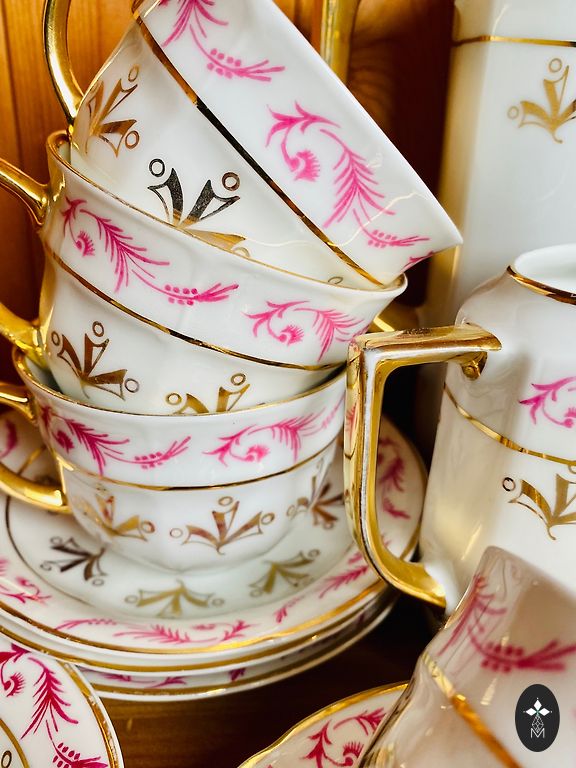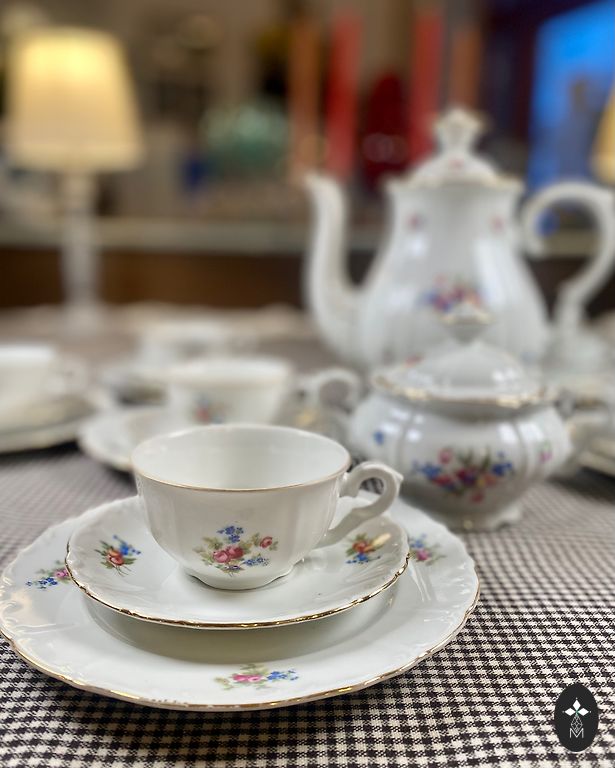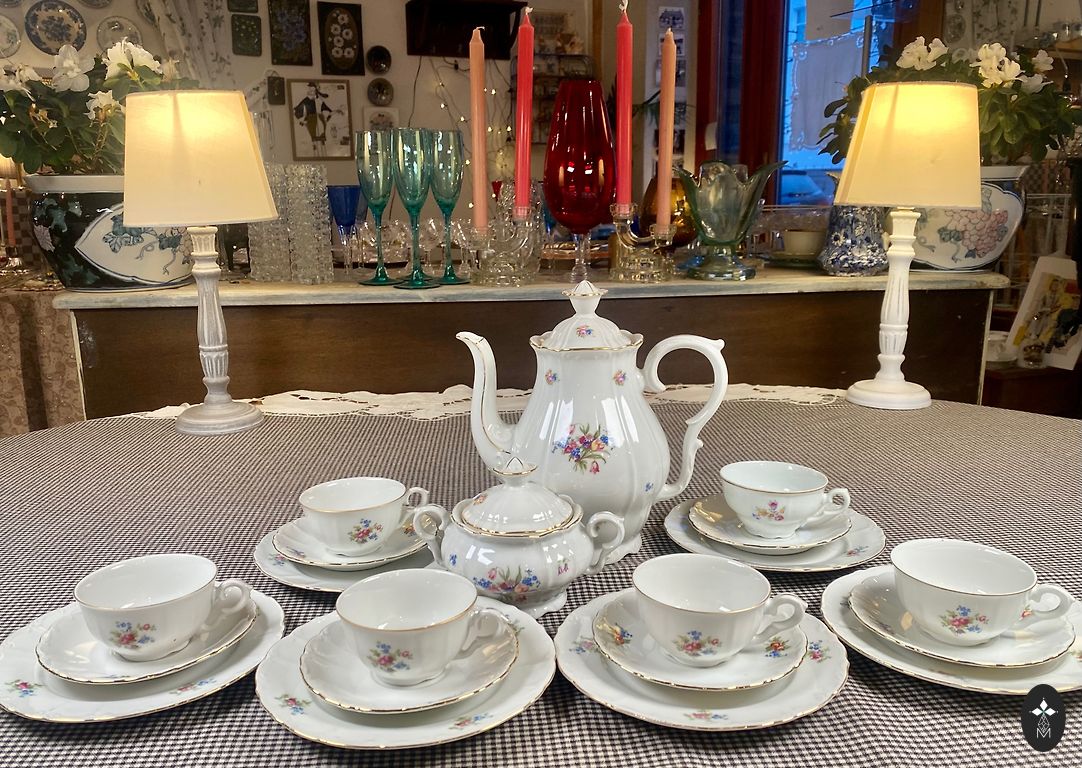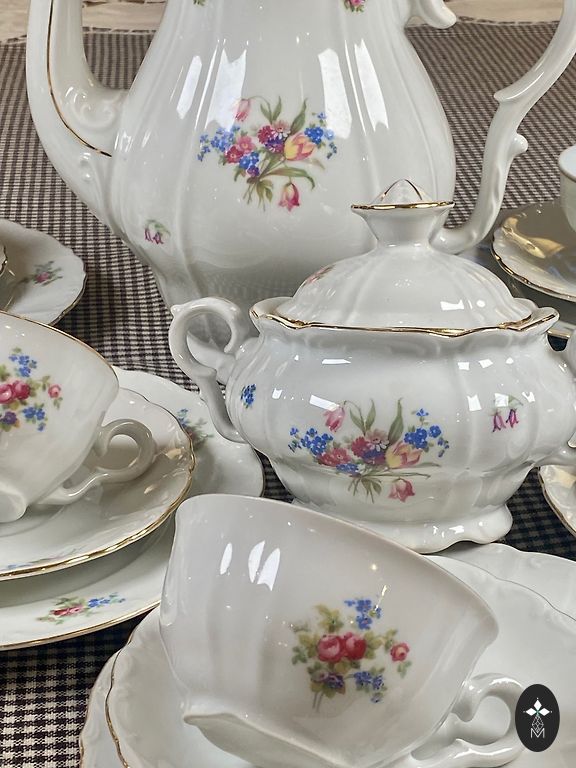





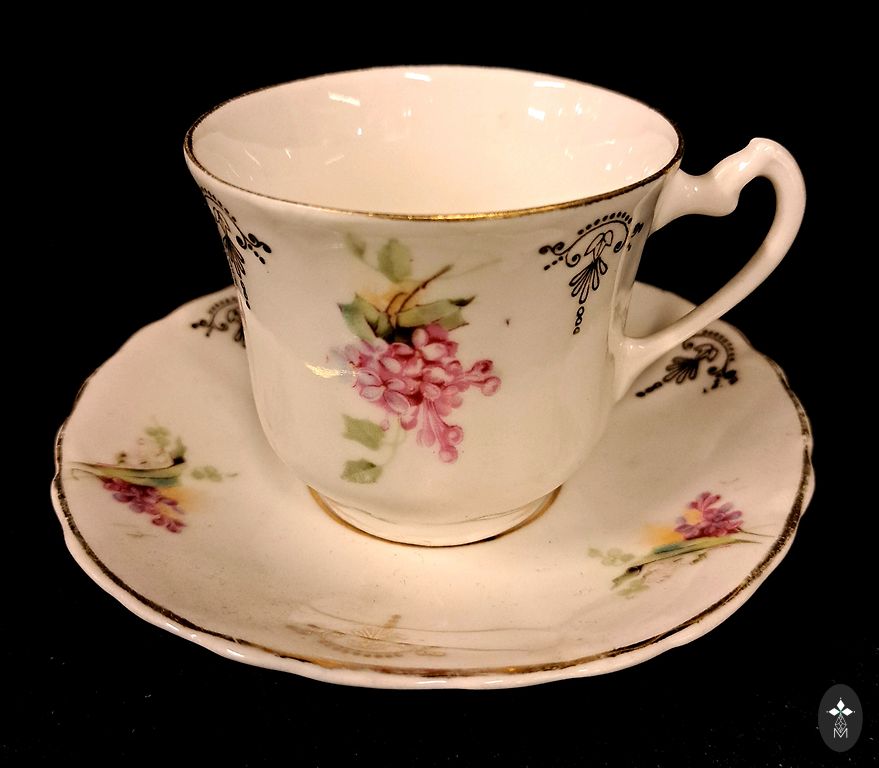
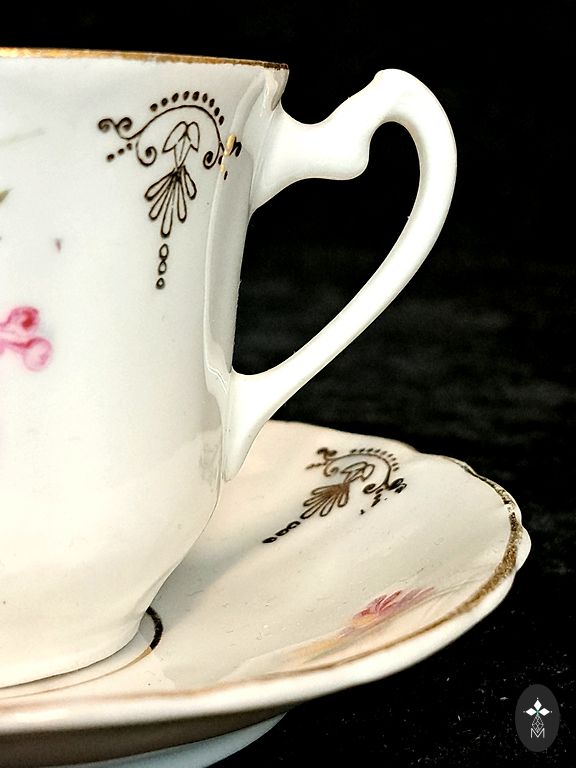
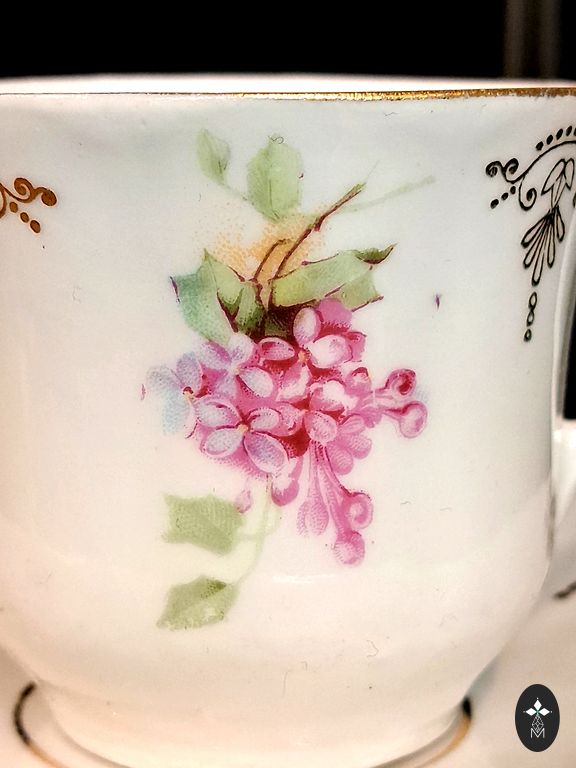
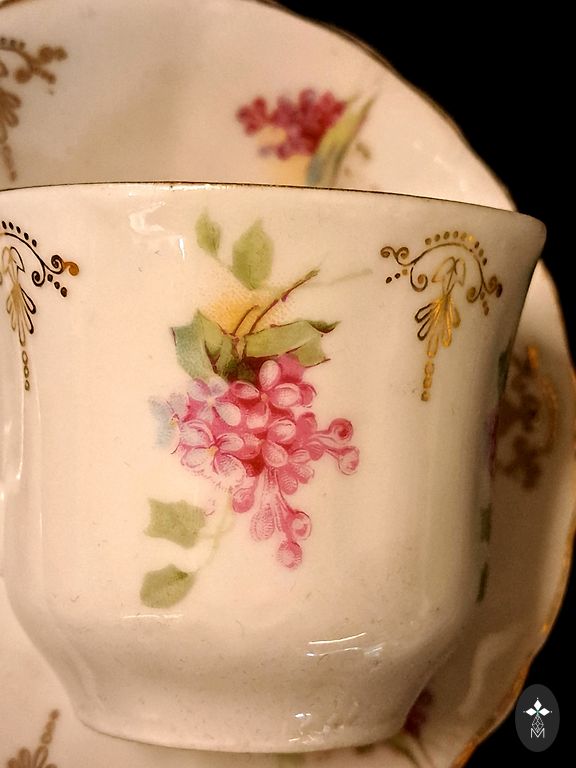
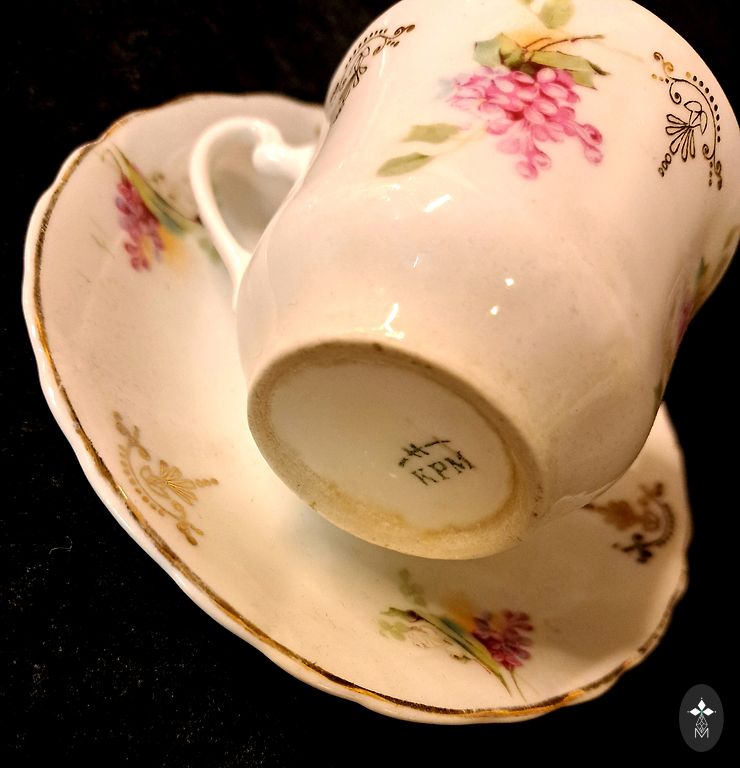
Antique duet Lilac Garden, 1860.
| Brand | KPM Germany |
| Colour | White |
| Condition | Antique / Vintage |
| Added | Today, 19:4321 |
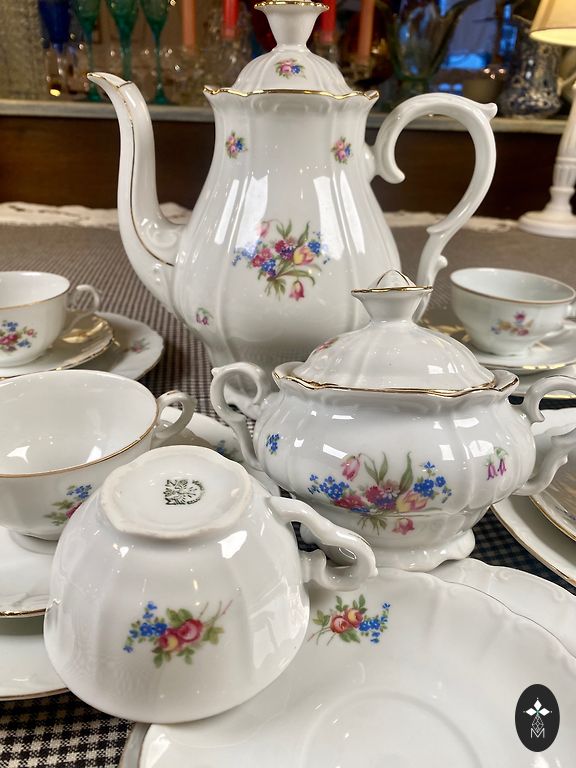
Vairāk nekā 160 gadu vēsture: Šis nav vienkārši trauks, bet gan rets antikvārs priekšmets, kas pārdzīvojis laikmetu maiņas. Tā dzidrais skanējums un caurspīdīgums apliecina KPM manufaktūras "baltā zelta" nepārspējamo kvalitāti.
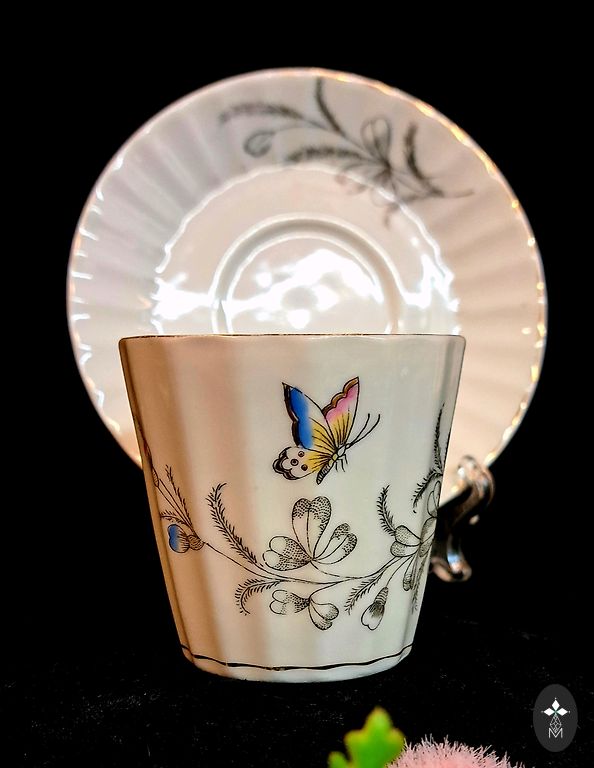
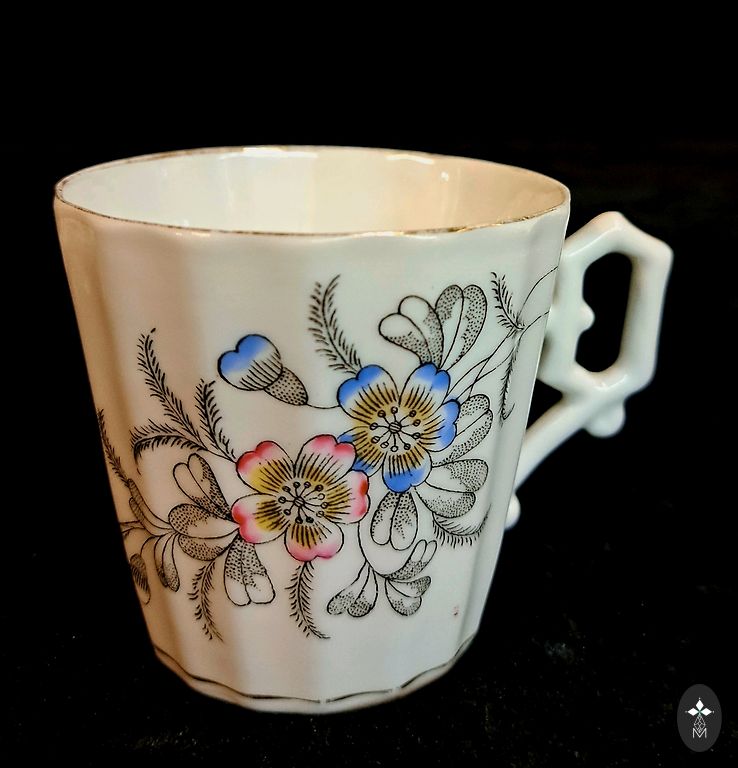
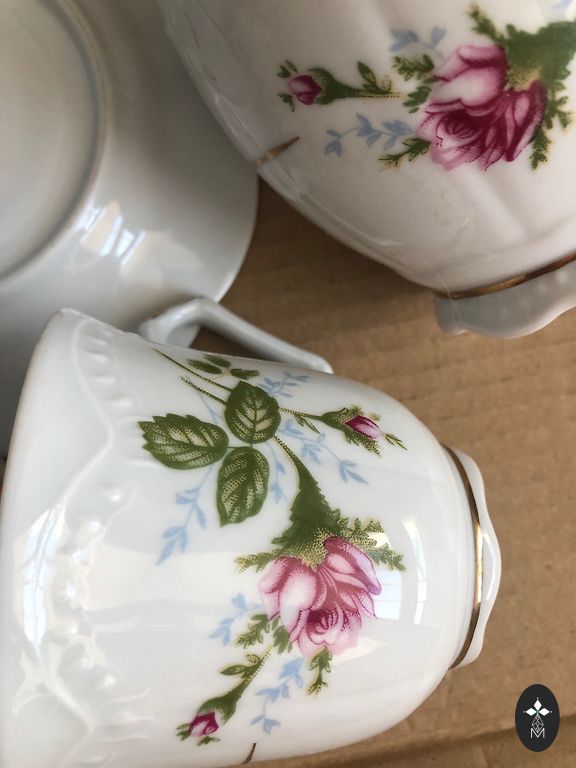
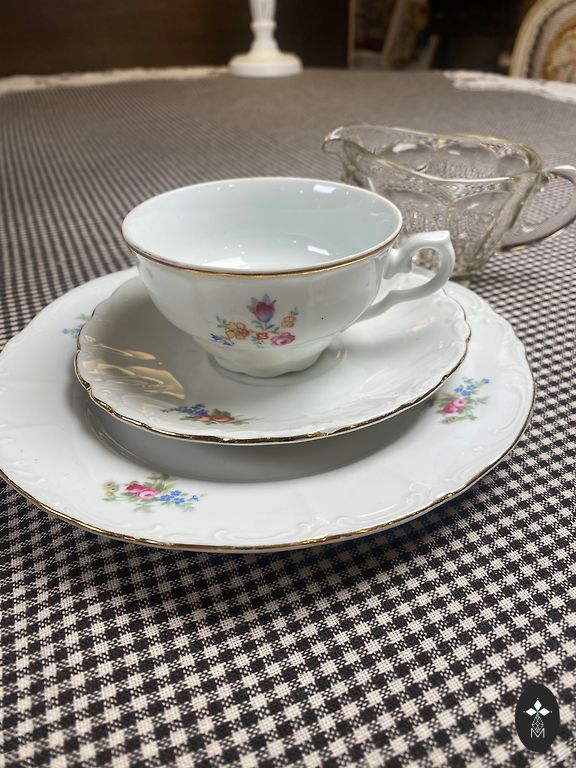
Tases centrā ir meistarīgi gleznoti ceriņu ziedi – romantisma simbols, kas 19. gadsimta vidū rotāja Eiropas greznākos namus. Katra lapiņa un krāsu pāreja ir unikāls mākslinieka roku darbs.
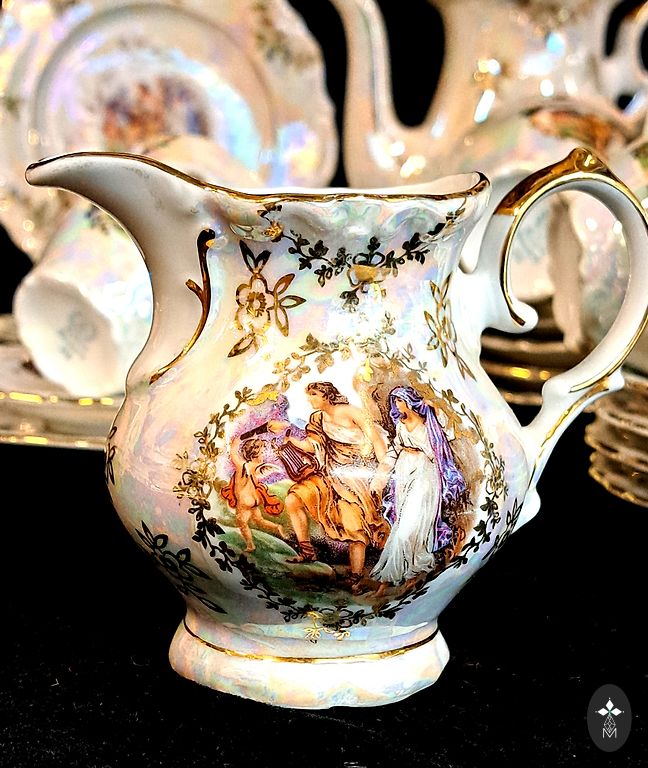
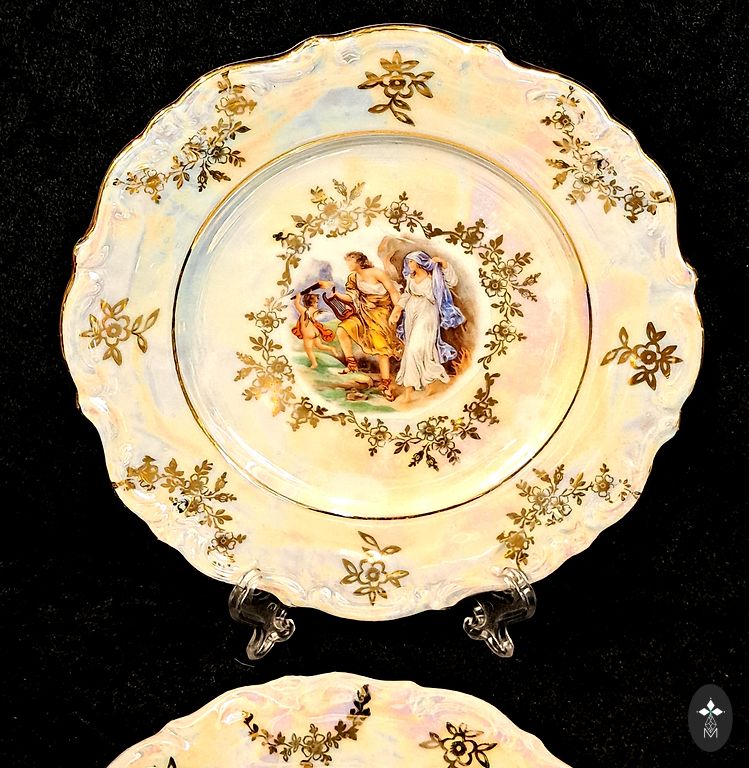
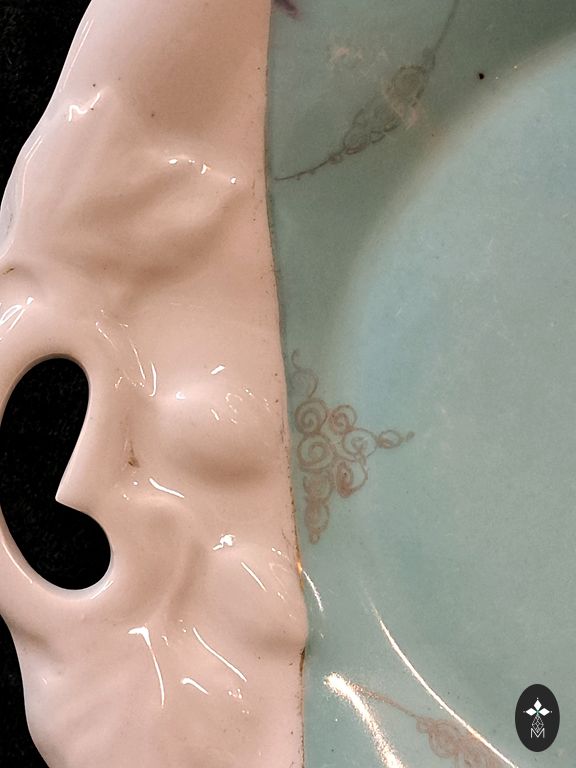
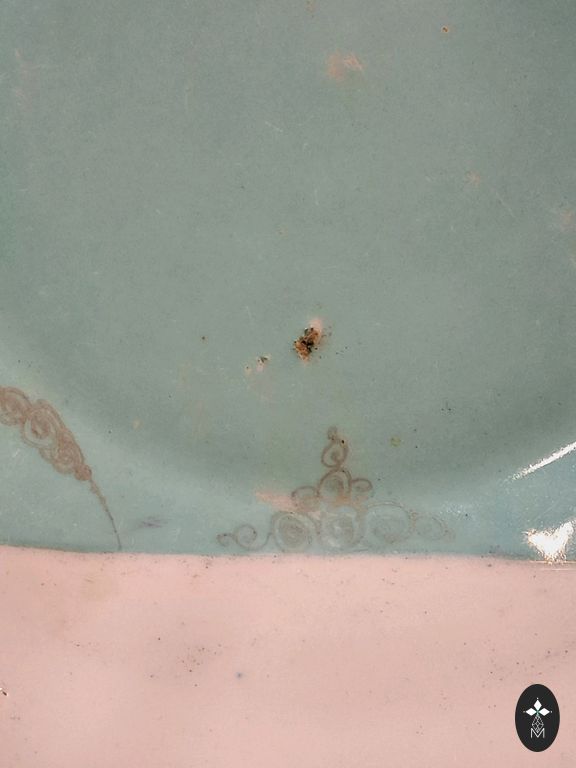
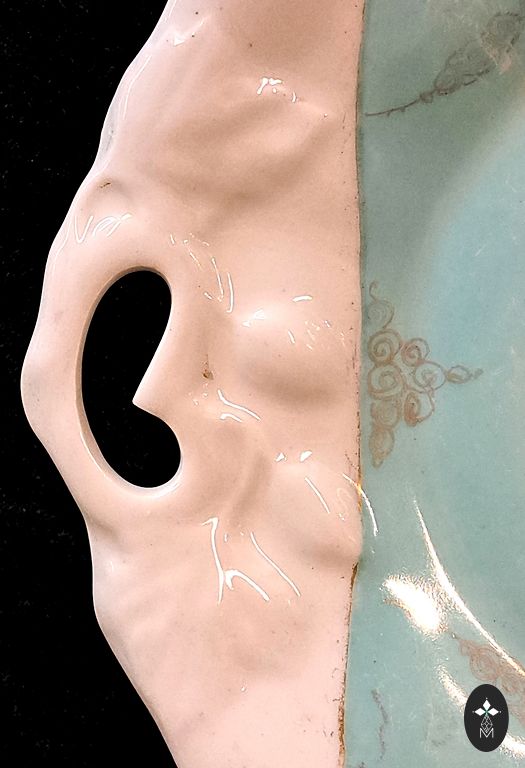
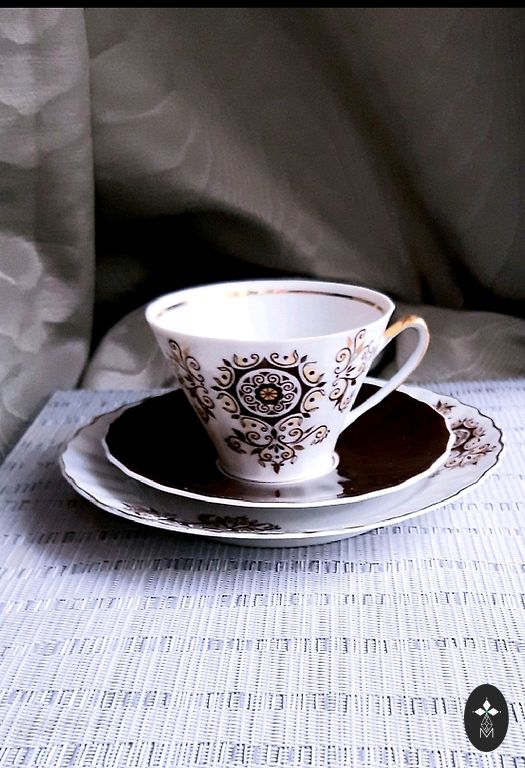
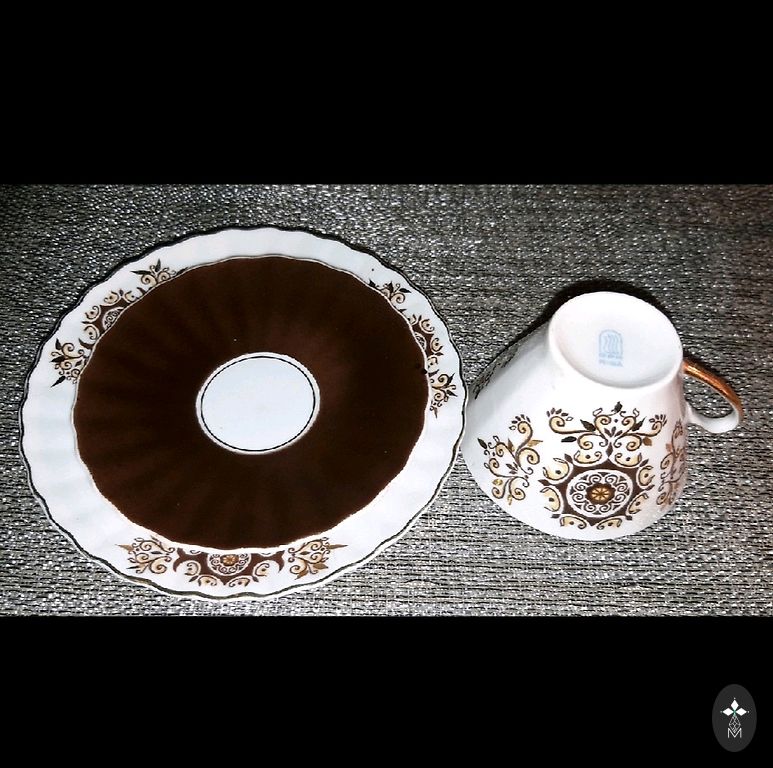
Zelta akcenti un neorokoko formas: Tases reljefās malas un izliektais osiņas dizains raksturo tā laika aristokrātisko gaumi. Smalkais zelta krāsojums un grafiskie ornamenti izceļ porcelāna sniegbalto toni.
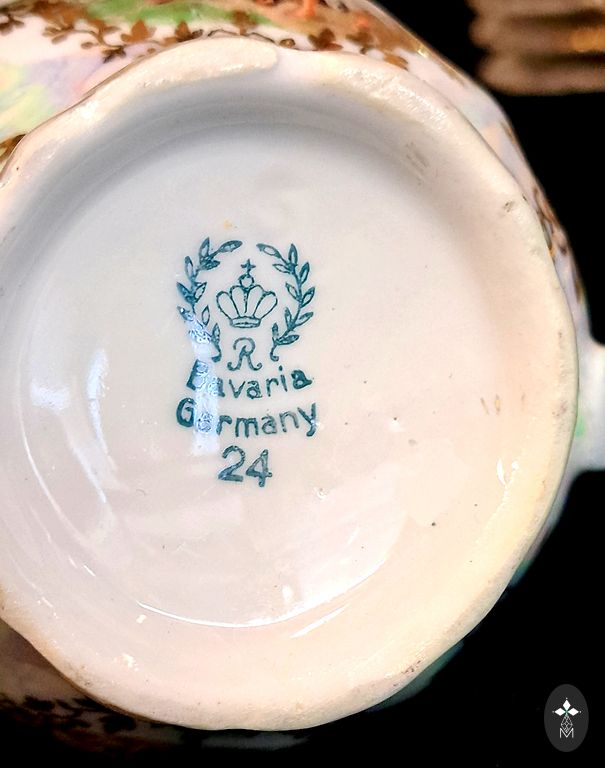
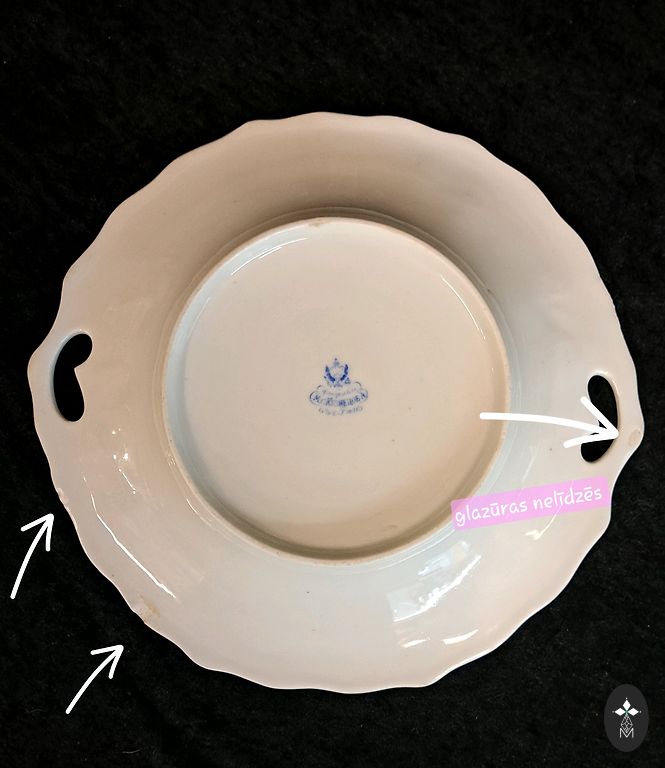
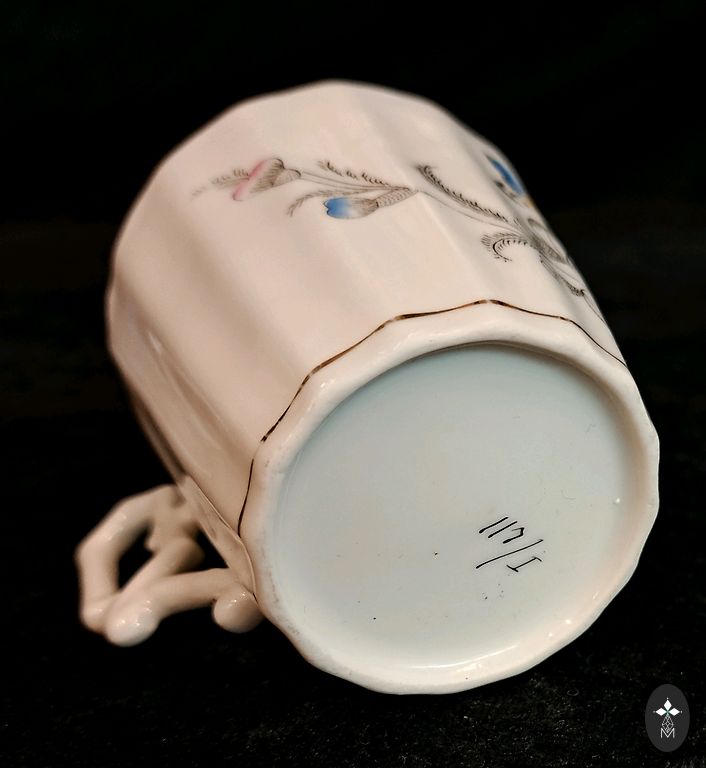
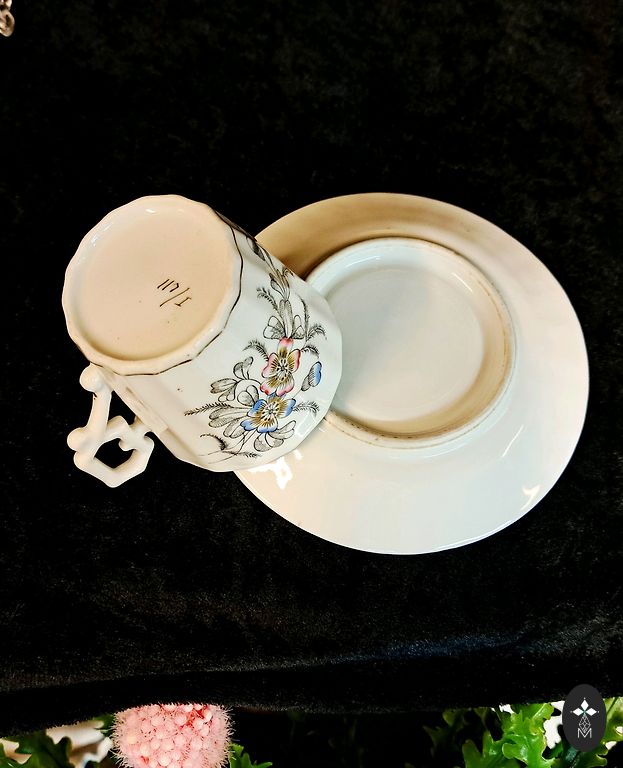
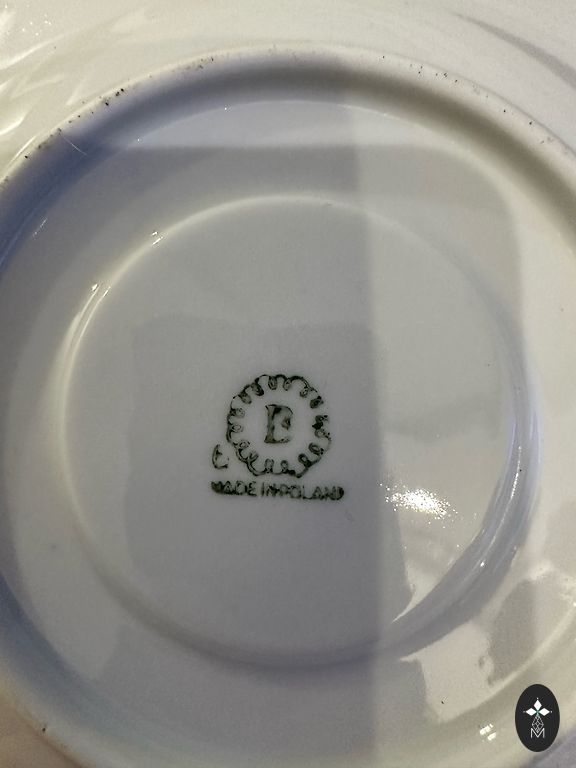
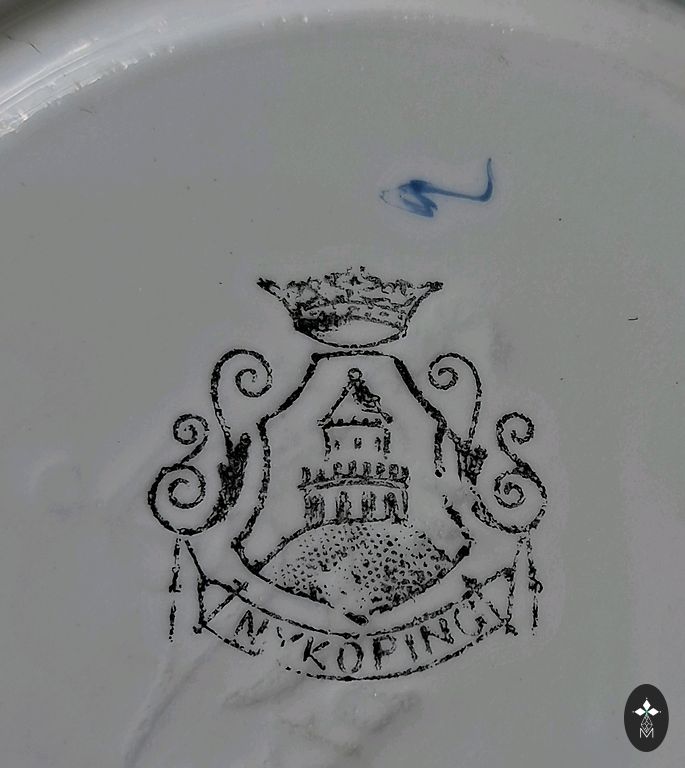
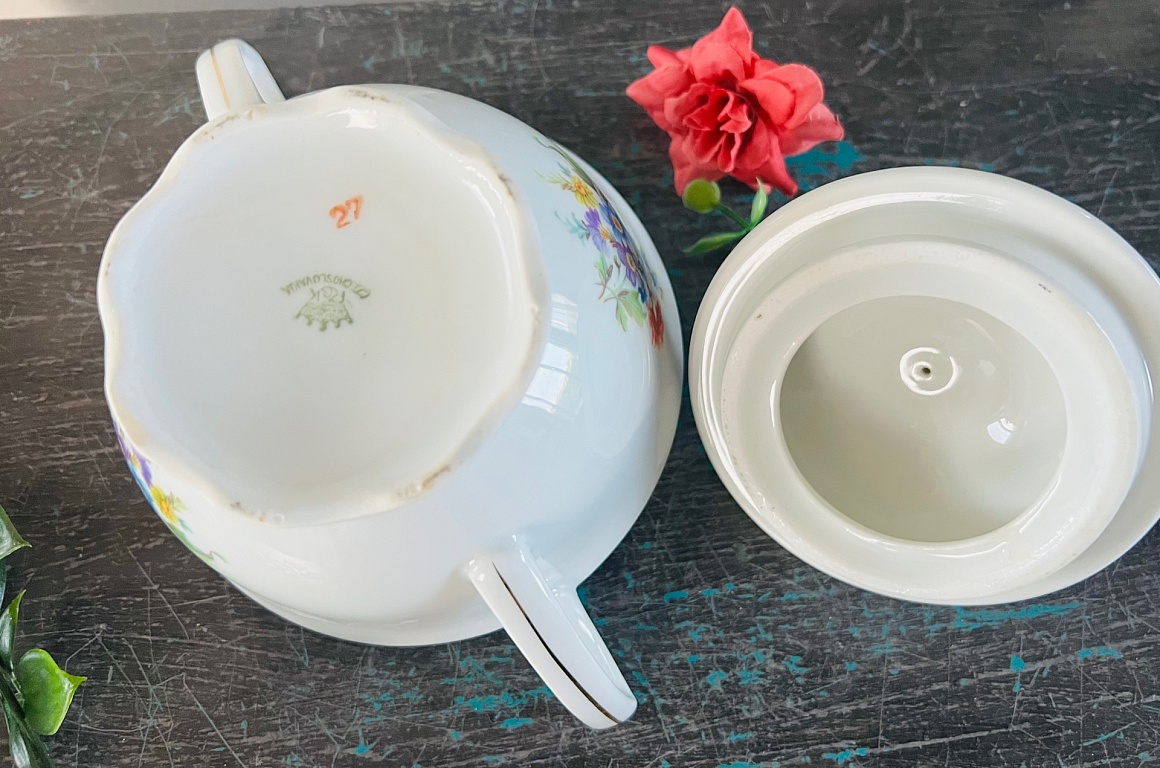
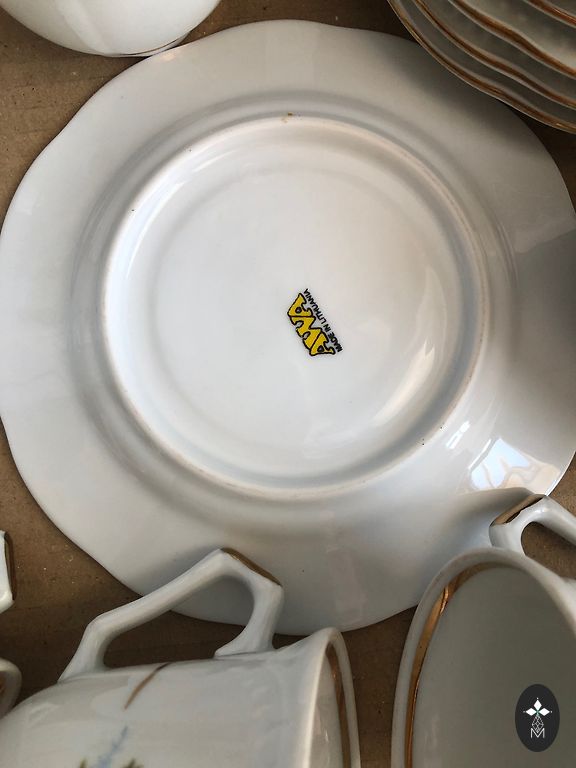
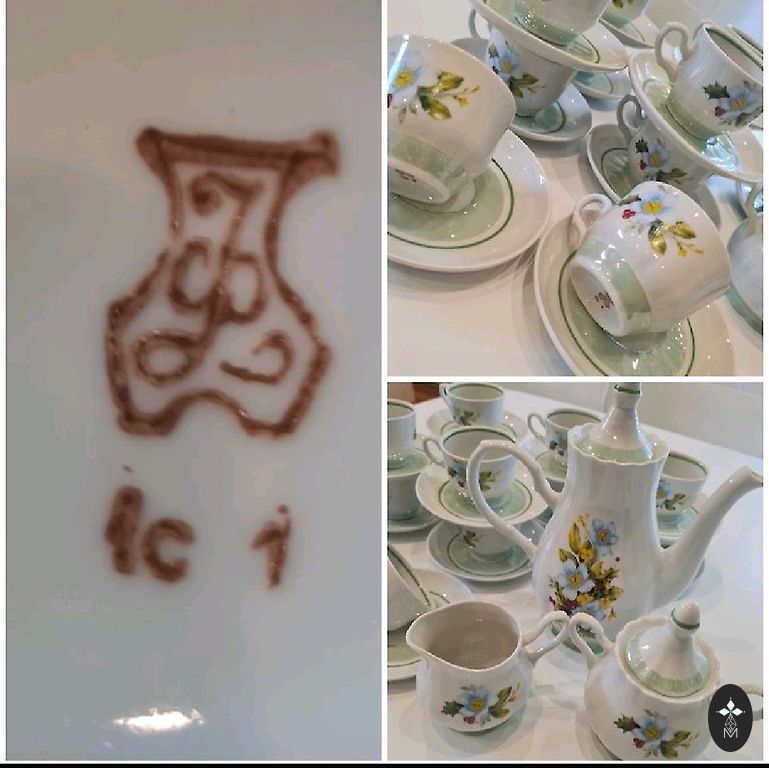
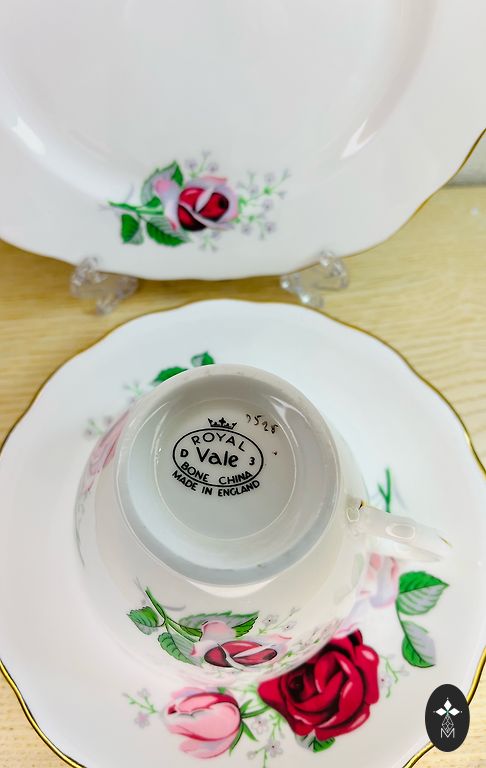
Muzeja līmeņa saglabātība: Neskatoties uz to, ka šim pārim ir vairāk nekā 160 gadu, tas ir saglabājies nevainojamā stāvoklī – bez plaisām vai restaurācijas pēdām, ir zelta nodalījumi. Zemglazūras zīmogs (KPM) apstiprina izcelsmi no Kārļa Kristera manufaktūras tās uzplaukuma laikā. Šāda vecuma un kvalitātes priekšmeti ir reti sastopami un kļūst par vērtīgu investīciju jebkurā privātā kolekcijā.
Aptuveni 1850.–1860. gads. ">
Antique porcelain duet "Lilac Garden" – KPM Waldenburg (1850–1860)
An exquisite legacy of European aristocracy – over 160 years of history.
For sale is a unique example of German porcelain art from the famous Krister Porzellan-Manufaktur (KPM) in Waldenburg. This duet (cup and saucer) was created between 1850 and 1860, embodying the mid-19th century aesthetic and the highest craftsmanship.
Exclusive details and aesthetics:
Over 160 years of history: This is not just a dish, but a rare antique item that
has survived the changes of eras. Its clear sound and transparency testify to the unmatched quality of the KPM manufactory's "white gold."
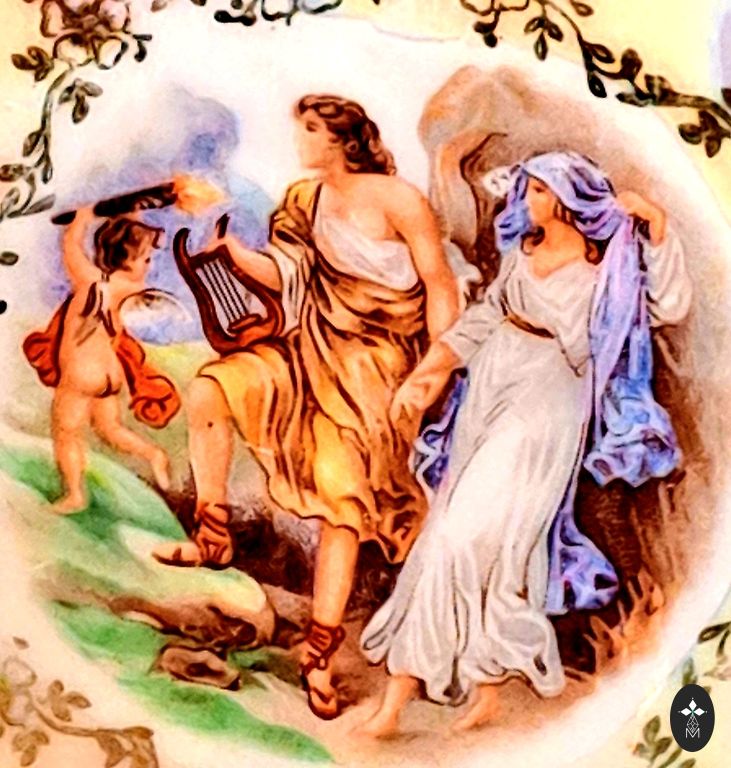
At the center of the cup are masterfully painted lilac flowers – a symbol of romanticism that adorned the most luxurious European homes in the mid-19th century. Each petal and color transition is a unique artist's handiwork.
Gold accents and neo-rococo forms: The cup's embossed edges and curved handle design characterize the aristocratic taste of the time. The fine gold coloring and graphic ornaments highlight the porcelain's snow-white tone.
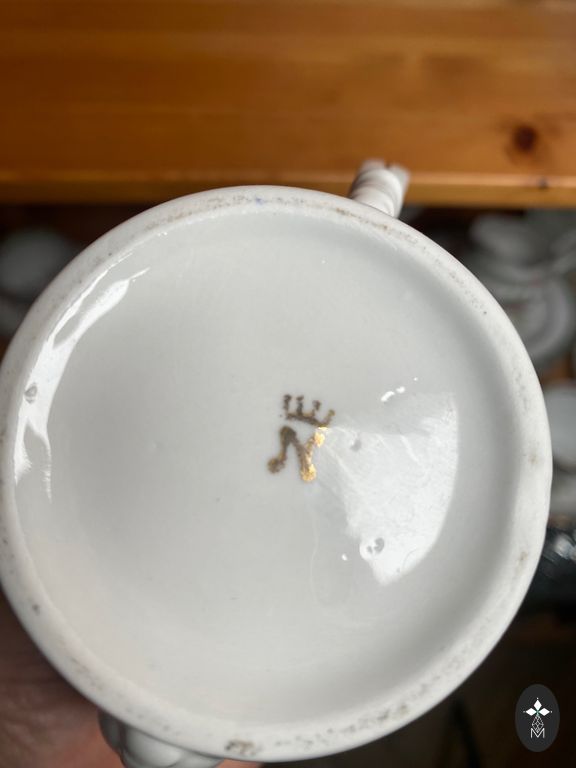
Museum-level preservation: Despite being over 160 years old, this pair is preserved in impeccable condition – without cracks or signs of restoration, with golden compartments. The underglaze stamp (KPM) confirms its origin from Karl Krister's manufactory during its peak. Items of such age and quality are rare and become a valuable investment in any private collection.
Approximately 1850–1860.