




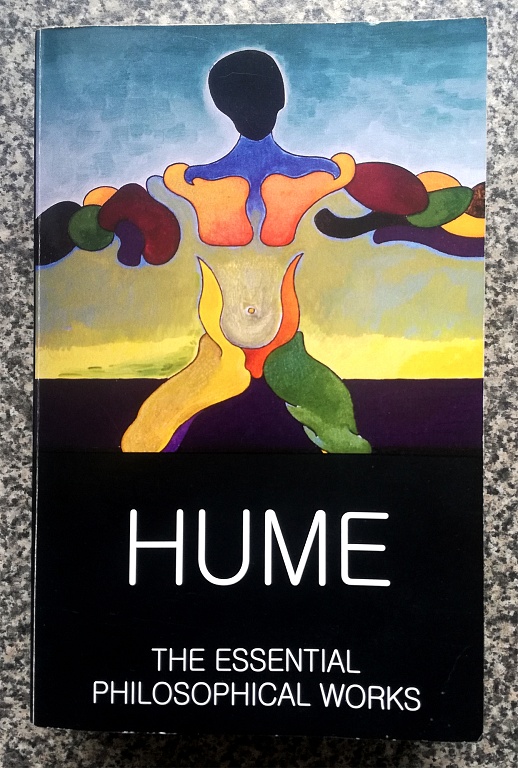
David Hume - The Essential Philosophical Works
| Condition | Used, may be damaged |
| Language | English |
| Added | September 30, 2025, 15:05257 |
Divdesmit sešu gadu vecumā viņš Francijā pabeidza darbu "Traktāts par cilvēka dabu" (A Treatise of Human Nature). Lai arī tagad daudzi to uzskata par būtiskāko Hjūma darbu, sākotnēji tas neguva atbalstu.
Pavadījis dažus gadus darbā pie dažādiem politiķiem un militāristiem, Hjūms atgriezās pie studijām. Nolēmis, ka "Traktāts par cilvēka dabu" būtiskākā neveiksme ir stils, nevis saturs, Hjūma materiālu pārstrādāja, lai tas būtu vieglāk uztverams. Tā radās darbs "Pētījums par cilvēka sapratni" (An Enquiry Concerning Human Understanding).
Vēlākajos gados viņam tika liegti dažādi amati, jo viņš bija ateists. Tomēr viņam izdevās iegūt izcila esejista un vēsturnieka slavu. Viņa darbiem izteikti lielāku uzmanību sāka pievērst, kad Imanuels Kants apgalvoja, ka tieši Hjūms esot viņu atmodinājis no "dogmatiskas snaudas".
Hjūms uzskatīja, ka lietām pašām nepiemīt īpašības, tās noteic cilvēka maņas. Līdzīgā kārtā cilvēka saprāts nespēj radīt jaunas domas, bet gan dažādi apvienot jau zināmās un uztvertās. Prāts ir nesaraujami saistīts ar apkārtējo realitāti. ">
David Hume (born April 26, 1711, died August 25, 1776) was a Scottish historian and philosopher who played a significant role in the development of two schools of philosophy: skepticism and empiricism. Hume is often considered the third—and most radical—of the so-called "British empiricists" (the other two being John Locke and George Berkeley). Not only skepticism but also naturalism played an important role in Hume's philosophy.
Hume was born in Edinburgh and studied there. At first, he
considered studying law, but later, in his own words, he was overcome by "an irresistible aversion to everything except the study of philosophy and general learning."
At the age of twenty-six, he completed his work A Treatise of Human Nature in France. Although many now consider it Hume's most important work, it did not initially receive much support.
After spending several years working for various politicians and military figures, Hume returned to his studies. Deciding that the main flaw of A Treatise of Human Nature was its style rather than its content, Hume reworked his material to make it more accessible. This resulted in the work An Enquiry Concerning Human Understanding. In later years, he was denied various positions because he was an atheist. However, he managed to gain fame as an outstanding essayist and historian. His works began to receive much more attention when Immanuel Kant claimed that it was Hume who awakened him from his "dogmatic slumber."
Hume believed that things do not have inherent properties; rather, they are determined by human senses. Similarly, human reason cannot create new ideas, but rather combines already known and perceived ones. The mind is inextricably linked to the surrounding reality.